A ceiling fan versus chandelier decision changes more than the light level in a room. It determines whether the ceiling becomes a source of gentle movement and everyday comfort, or the setting for an exquisite focal point that gives the entire interior a more considered, luxurious finish. For homes where every detail matters, the right answer comes down to the room’s purpose, proportions and the atmosphere you want to create.
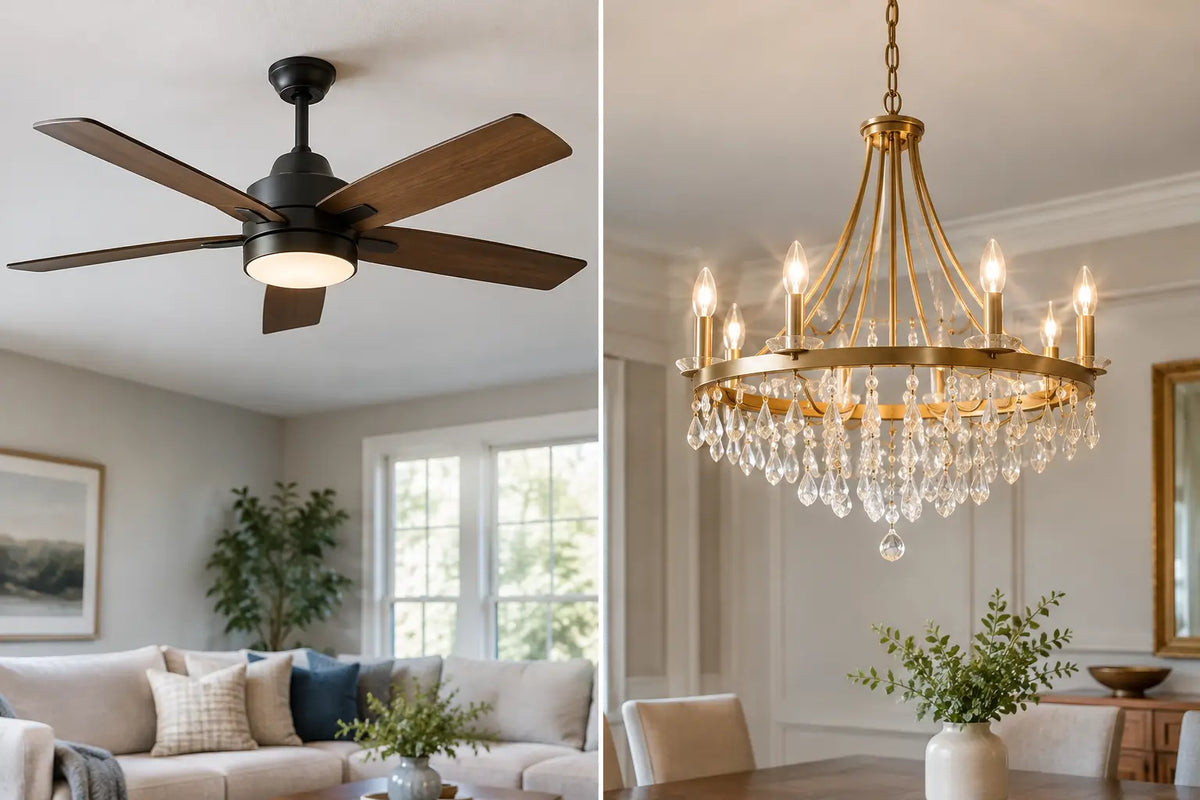
A chandelier brings presence. It catches the eye from the moment someone enters, draws attention to height and architectural detail, and can make a dining room, stairwell or bedroom feel intentionally furnished rather than simply lit. A ceiling fan answers a different need: air circulation, comfort during warm weather and a practical layer of cooling that may reduce reliance on other systems.
Neither choice is universally better. The most beautiful rooms balance what looks exceptional with what supports the way the household actually lives.
Ceiling Fan Versus Chandelier: Start With the Room
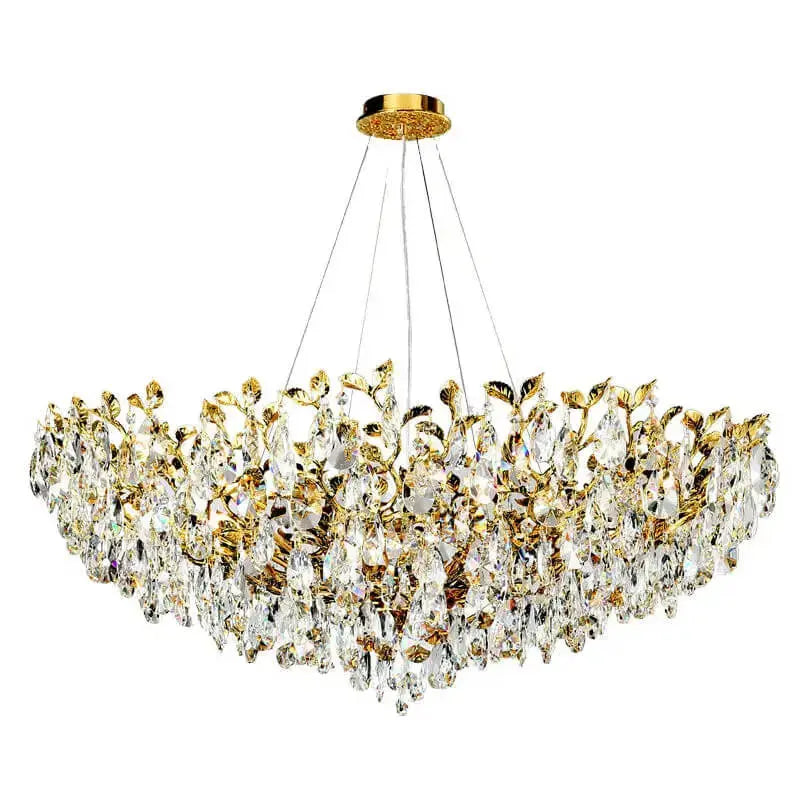
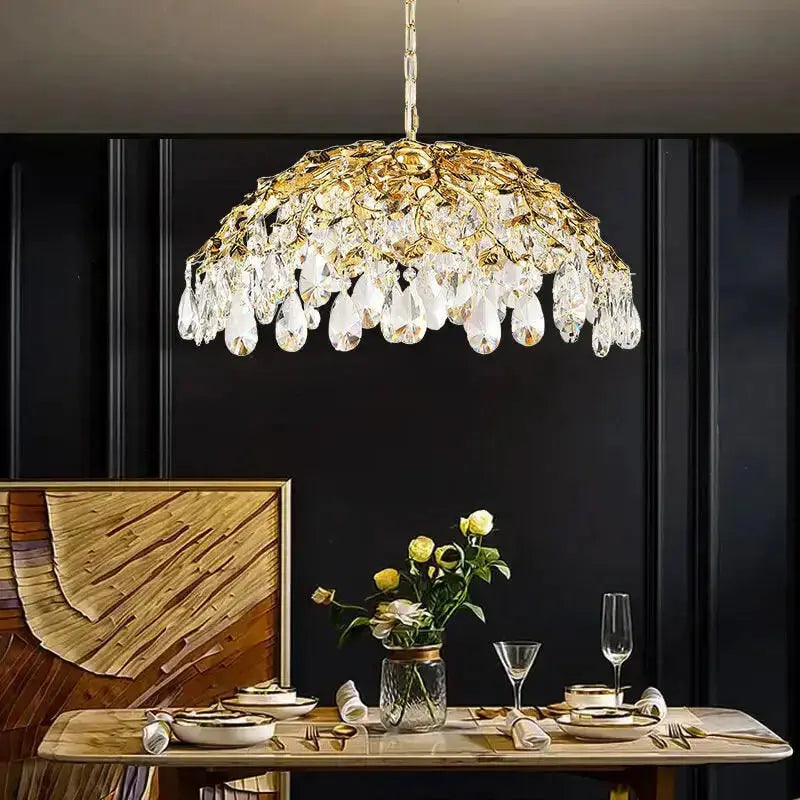
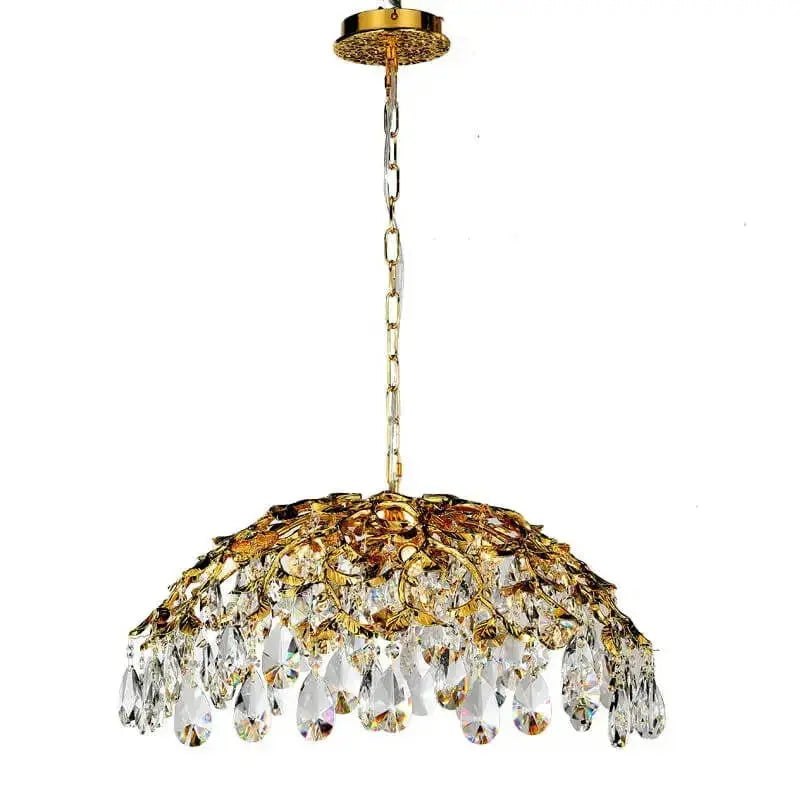
The room itself usually makes the decision clearer. A chandelier is most at home where people gather, linger and notice the details: above a dining table, within a double-height foyer, over a formal sitting area or beside a staircase. Its purpose is visual as much as functional. Crystal, alabaster and sculptural metal designs create a centrepiece, particularly when paired with wall lights or lamps that soften the room after dark.
A ceiling fan is often the stronger option in bedrooms, sunrooms, conservatories and covered outdoor living areas. In these spaces, the sensation of moving air can matter more than decorative drama. A quiet fan can make sleeping more comfortable and keep a glazed room from feeling still and stuffy on a bright afternoon.
That said, a practical room does not have to look purely utilitarian. Contemporary fans with slim blades, refined finishes and integrated lighting can sit comfortably in a carefully designed interior. They are simply less likely to create the same sense of occasion as a chandelier.
Consider Ceiling Height Before Style
Ceiling height is the non-negotiable part of the decision. A chandelier needs room to breathe. In a dining room, it should sit low enough to feel connected to the table, but high enough that guests can see one another clearly. In circulation spaces, especially halls and foyers, it must allow safe clearance beneath it.
Low ceilings tend to favour flush or semi-flush fixtures, compact pendants, or a close-to-ceiling fan. Trying to force a large chandelier into a shallow room can make the space feel crowded, no matter how beautiful the fixture may be. Likewise, a fan with a long downrod beneath a low ceiling can look awkward and create a safety concern.
In rooms with generous height, chandeliers become especially compelling. A tall ceiling can absorb a multi-tiered crystal design, a cascading staircase fixture or a bold contemporary silhouette without overwhelming the room. The vertical dimension gives the piece space to show its full character.
For ceiling fans, blade clearance matters as well. The fan should be installed at a safe height and positioned to circulate air effectively, rather than tucked into a corner or obstructed by beams. If the ceiling is vaulted, an angled mounting solution may be needed. It is worth confirming installation requirements before falling in love with a particular design.
Light Quality and Airflow Are Different Jobs
A common mistake is expecting one ceiling fixture to perform every lighting task perfectly. Chandeliers are wonderful for ambient illumination and visual impact, but many are not designed to provide bright, shadow-free working light on their own. A dining room, for example, may need its chandelier supported by wall lights, lamps or discreet recessed fittings.
This layered approach is what gives a luxury interior its depth. The chandelier provides the jewellery. Secondary lighting gives the room flexibility, from a softly lit dinner to a brighter family gathering.
Ceiling fans with integrated lights can provide useful general illumination, particularly in bedrooms and casual rooms. Yet their shades and light modules are often designed around the fan’s form, not solely around decorative sparkle or a wide pool of light. Check the lumen output, colour temperature and whether the light is dimmable. Warm white light generally flatters living spaces, natural materials and skin tones more gracefully than a stark, cool white setting.
Airflow is where the fan earns its place. Look beyond its appearance to blade span, motor quality and noise level. A fan that looks elegant but hums through the night is not a luxury. Reversible settings are also useful, helping circulate warm air during colder months without creating an uncomfortable draught.
Style: Focal Point or Quiet Companion?
A chandelier makes a confident design statement. The right one can establish a room’s direction before the furniture is even in place. A faceted crystal chandelier can bring timeless elegance to a traditional dining room; a clean-lined brass or black fixture can sharpen a modern interior; an alabaster design offers a soft, luminous presence that feels quietly opulent.
Because it commands attention, scale is crucial. Over a dining table, the chandelier should feel substantial enough to anchor the arrangement without becoming wider than the table. In a foyer, consider the fixture from every viewing angle, including the view from an upstairs landing. In a living room, place it where it supports the seating layout rather than competing with the television or artwork.
A ceiling fan should usually act as a quiet companion to the room. Choose a finish that echoes other details: warm wood near oak flooring, black metal with dark window frames, or a pale, minimal design against a light ceiling. The objective is cohesion. If a fan becomes the dominant object in a formal entertaining space, it can dilute the carefully curated effect.
There are exceptions. In a relaxed coastal home, a large timber-bladed fan may be part of the aesthetic. On a covered terrace, an outdoor-rated fan can be both the visual anchor and the comfort feature that keeps summer evenings enjoyable. The setting decides how much attention it deserves.
When a Fan-Chandelier Hybrid Makes Sense
For homeowners unwilling to choose entirely between movement and drama, fan-chandelier hybrids offer a middle route. Some feature retractable blades that remain discreet when the fan is not in use; others pair decorative light arms with compact, transparent blades. These can suit bedrooms, breakfast rooms or enclosed terraces where a conventional chandelier might be impractical.
The compromise deserves an honest assessment. Hybrid fixtures can be clever and attractive, but they rarely match the airflow of a purpose-built ceiling fan or the sculptural impact of a dedicated chandelier. Think of them as a solution for a room that genuinely needs both functions, not as an automatic replacement for either.
Installation, Controls and Everyday Ease
A chandelier may require extra care during installation because of its weight, assembly and hanging height. Larger statement pieces should be supported by an appropriate ceiling box and fitted by a qualified electrician. This is particularly relevant for stairwell lighting, where access can be challenging and precision matters.
A ceiling fan also needs professional attention. Its mounting must be rated for the fan’s movement and weight, and the blades must be properly balanced. Smart controls, remote handsets and wall switches can make daily use simple, but decide how you prefer to operate the fixture before installation. Retrofitting controls later can be less convenient.
Maintenance is another small but meaningful distinction. Chandeliers with crystal elements may need occasional careful dusting to retain their brilliance. Fans need their blades cleaned regularly, especially in kitchens, bedrooms and outdoor rooms where dust can collect. A little upkeep keeps either choice looking polished.
Choose the Feature You Will Appreciate Most
Choose a ceiling fan when regular airflow, quiet comfort and practical cooling are central to the room’s use. Choose a chandelier when the room calls for character, refined illumination and a focal point with lasting visual impact. If you are furnishing a formal dining room, entrance hall or dramatic stairwell, a beautifully scaled chandelier from ChandeliersLife can give the space the sense of arrival it deserves.
The best fixture is not merely the one that fills the ceiling. It is the one you will notice and appreciate every time the room is used: a gentle breeze over the bed on a warm night, or the glow of an exquisite chandelier making an ordinary evening feel a little more special.