A pendant can be beautifully proportioned, impeccably placed and fitted with the right bulb, yet still feel wrong for the room if its material does not suit the atmosphere. That is why the choice between alabaster or glass lighting deserves more attention than a quick style preference. Both materials can look exquisite, but they shape light in entirely different ways: one offers a soft, mineral glow; the other can deliver clarity, sparkle or sculptural colour.
For a home that feels considered rather than simply decorated, the decision comes down to the mood you want to create, the room’s daylight, the fixture’s scale and how much visual drama the space can carry.
Alabaster or Glass Lighting: The Essential Difference
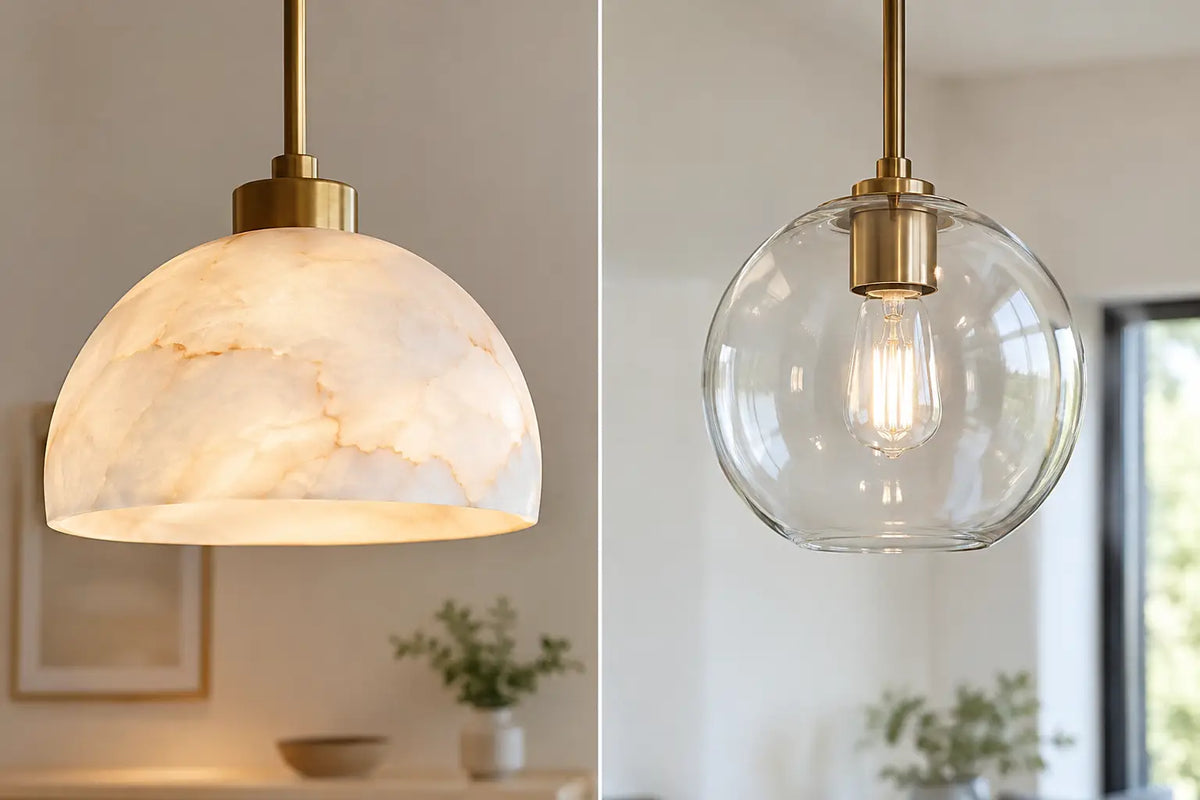
Alabaster is a naturally occurring stone valued for its milky translucency and delicate veining. When illuminated, it does not merely reflect light around a room. It diffuses it from within, creating a warm, gentle radiance that feels particularly luxurious in the evening. Each piece has its own markings, so no two alabaster shades are ever completely alike.
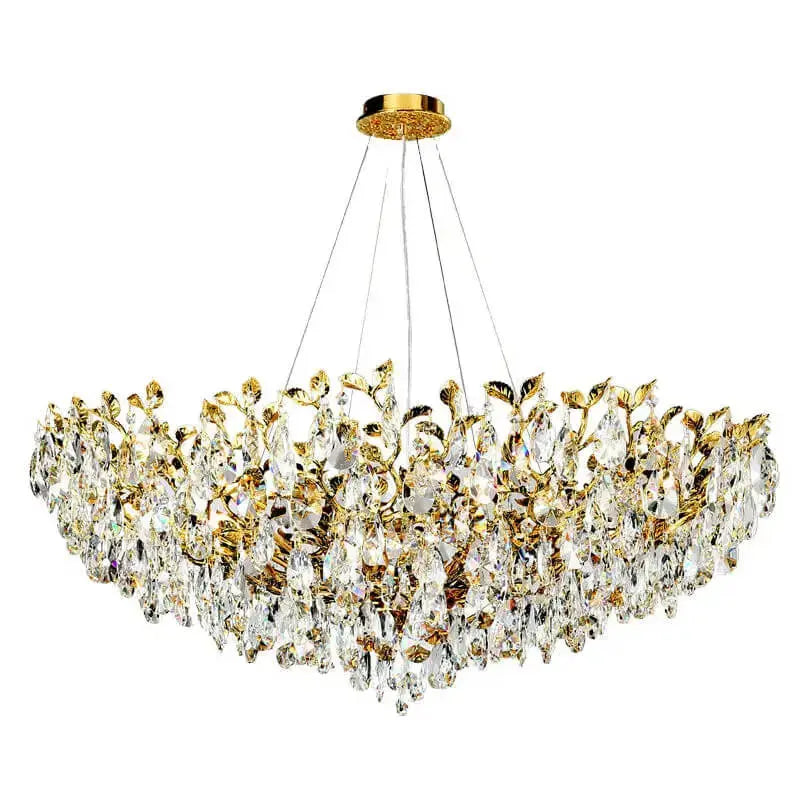
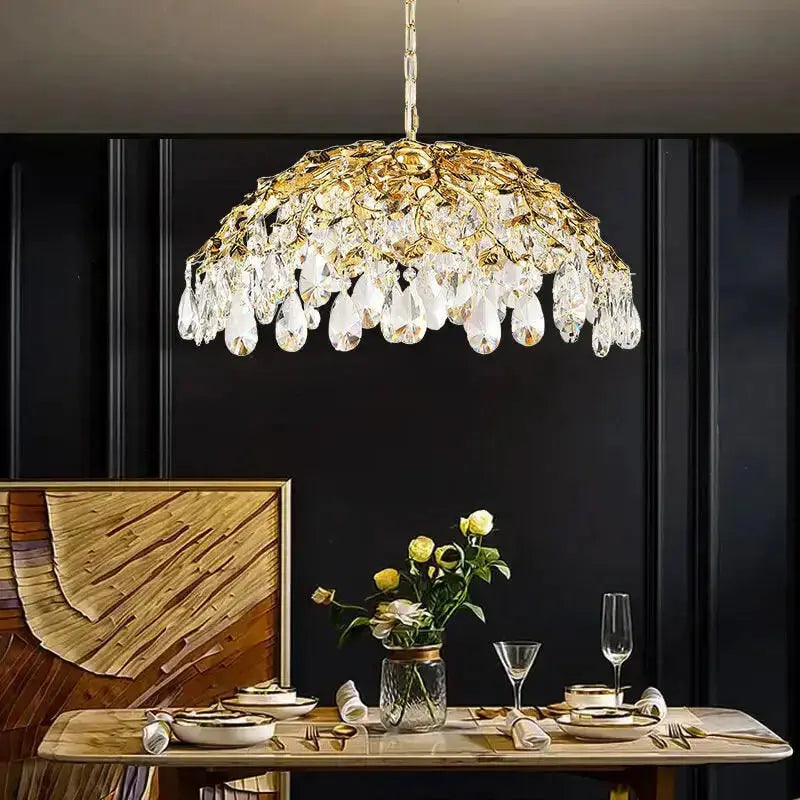
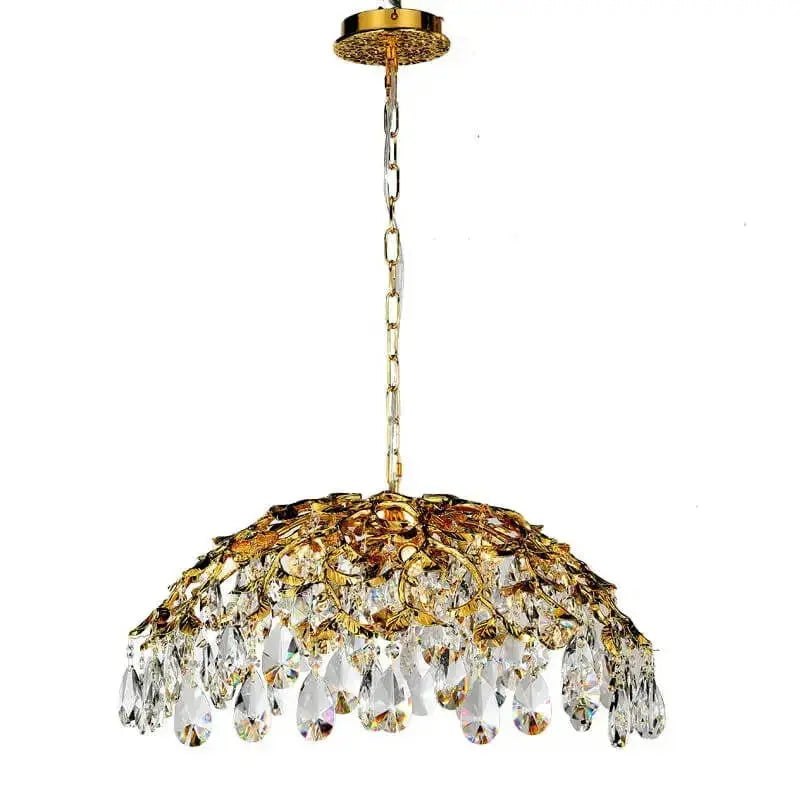
Glass is more varied by nature. A clear glass chandelier may feel airy and architectural, while ribbed, smoked, frosted or opal glass can create a far softer effect. Crystal glass introduces light-catching brilliance, making it a natural choice for shoppers seeking glamour in a foyer, dining room or staircase. Glass can retreat into a scheme or become its most expressive feature, depending on its finish and silhouette.
The simplest distinction is this: alabaster brings depth and calm, while glass offers breadth of expression. Neither is automatically more luxurious. The right choice depends on what the room needs from its lighting.
Choose Alabaster for a Soft, Sculptural Glow
Alabaster lighting is especially compelling where ambience matters as much as illumination. A slim alabaster pendant above a bedside table, a tiered chandelier over a dining table or a statement ceiling light in a formal entrance creates an inviting, composed mood without relying on visual excess.
Its natural irregularity is a major part of its appeal. Veins may appear as fine golden threads, cloudy ivory movement or deeper mineral striations. In a restrained interior of warm white plaster, oak, travertine, brass or brushed nickel, an alabaster fixture adds texture without introducing another loud colour or pattern.
This material works beautifully in contemporary luxury interiors, but it is not limited to one design direction. A linear alabaster pendant can sharpen a modern kitchen island, while a more traditional bowl or lantern silhouette can bring timeless elegance to a period property. The key is choosing a form that suits the architecture rather than treating the stone as a trend-led detail.
There are practical considerations. Alabaster is heavier than glass and should be installed with suitable ceiling support, particularly for larger chandeliers. It also performs best with warm bulbs, generally around 2700K, which enhance its creamy tone. Very cool white light can make the stone appear flatter and less inviting.
Because alabaster gently filters light, it may not provide enough task illumination on its own. Over a kitchen island or vanity, pair it with discreet ceiling spots, under-cabinet lighting or wall lights so the room remains practical as well as atmospheric.
Where alabaster makes its finest impression
In an entryway, alabaster sets a gracious first impression without the formality of a heavily embellished crystal chandelier. In a dining room, it gives faces and table settings a flattering warmth. In bedrooms and dressing areas, it feels restful and polished, particularly when repeated in smaller wall lights or lamps.
It is also an excellent choice for rooms with many hard finishes. If your space includes stone flooring, large windows, lacquered cabinetry or expansive mirrors, alabaster introduces a welcome softness that prevents the scheme from feeling too crisp.
Choose Glass for Lightness, Brilliance or Flexibility
Glass lighting has a special advantage in rooms where you want the fixture to feel visually open. Clear glass pendants, for example, allow sightlines to travel through the fitting. This makes them a strong choice above a kitchen island, in a breakfast nook or in a compact hallway where a solid shade might feel too heavy.
For more decorative spaces, glass can provide the theatre. Crystal chandeliers scatter light beautifully across walls and ceilings, bringing occasion and movement to foyers, formal dining rooms and double-height stairwells. Smoked glass adds a moodier, more contemporary character, while opal glass offers a clean, softly diffused look that suits almost any room.
Glass is also often the more adaptable material when your interior style may evolve. A simple globe pendant can move comfortably between modern, mid-century-inspired and classic settings. A sculptural coloured-glass chandelier can become a confident focal point against neutral walls, yet remain lighter in appearance than an equally large metal or stone fixture.
That flexibility does come with trade-offs. Clear glass reveals the bulb, wiring and internal hardware, so bulb choice matters. A poorly chosen bulb can undermine an otherwise refined fitting. Choose warm-toned bulbs with a discreet finish, and consider dimmable options to control glare at different times of day.
Glass can also show dust, fingerprints and water marks more readily than alabaster, particularly in clear or high-shine finishes. In a busy kitchen, a fixture with several small exposed glass shades may require more regular care than a simpler enclosed design.
Which type of glass suits your room?
Clear glass is ideal when you need visual lightness and direct illumination. It suits island pendants, breakfast areas and narrow spaces, especially when paired with decorative filament-style bulbs.
Frosted or opal glass is the more forgiving option for everyday living. It conceals the bulb, softens brightness and works elegantly in bedrooms, corridors and bathrooms where comfort matters.
Ribbed, fluted or seeded glass adds texture and gently disrupts the view of the bulb. It is an excellent middle ground for shoppers who want more character than clear glass but less visual weight than stone.
Crystal glass is made for impact. It belongs in spaces that can accommodate a centrepiece, such as a grand entrance, dining room or living room with generous ceiling height.
Consider the Room Before the Material
A material can be beautiful in isolation and still be wrong for its setting. Start by assessing natural light, ceiling height, furniture scale and the fixture’s role in the room.
In a sun-filled room, alabaster remains luminous without competing with the daylight. Glass, especially clear or crystal styles, can amplify the changing light and create lively reflections. If the room already has dramatic windows, glossy surfaces and statement artwork, alabaster may offer a calmer counterpoint. If the room feels visually flat, glass can introduce needed sparkle and dimension.
Ceiling height matters too. A large alabaster chandelier has presence, even when its palette is quiet, so allow adequate breathing room around it. Glass is often better suited to lower ceilings when chosen in a flush mount, semi-flush design or compact cluster form. This is not a fixed rule, however. A low-profile alabaster ceiling light can look remarkably elegant in a modest-height room, while a sprawling glass chandelier needs scale and clearance to look intentional.
For kitchen islands, think beyond appearance. Alabaster pendants deliver a tailored, high-end look, but you may need layered lighting for food preparation. Clear or open glass pendants offer stronger direct light, while opal glass provides a pleasant compromise. In dining rooms, the priority shifts towards atmosphere, making both materials excellent candidates depending on whether you prefer glow or glitter.
Maintenance, Durability and Everyday Living
Neither material is difficult to live with when selected thoughtfully. Glass should be dusted regularly with a soft, dry microfibre cloth. For more persistent marks, use a lightly dampened cloth and dry immediately. Avoid spraying cleaner directly onto the fixture, particularly near electrical components.
Alabaster requires a gentler approach. As a porous natural stone, it should not be cleaned with acidic, abrasive or heavily wet products. A soft dry cloth is usually enough. If you are placing alabaster lighting in a kitchen or other active room, choose a design positioned away from direct splashes and frequent steam where possible.
For both materials, professional installation is worthwhile for substantial chandeliers and ceiling fixtures. Correct mounting protects your ceiling, safeguards the fixture and ensures its proportions are shown to their best advantage.
Let the Fixture Set the Mood You Want to Live With
Choose alabaster when you want lighting that feels quiet, enduring and tactile - the kind of glow that makes a room feel more settled after dark. Choose glass when you want airiness, reflective beauty or the freedom to lean into a more decorative silhouette.
The most successful choice is not necessarily the one that makes the strongest first impression online. It is the fixture whose light you will enjoy every evening: flattering at the dining table, welcoming at the door and perfectly at home in the life you have built around it.