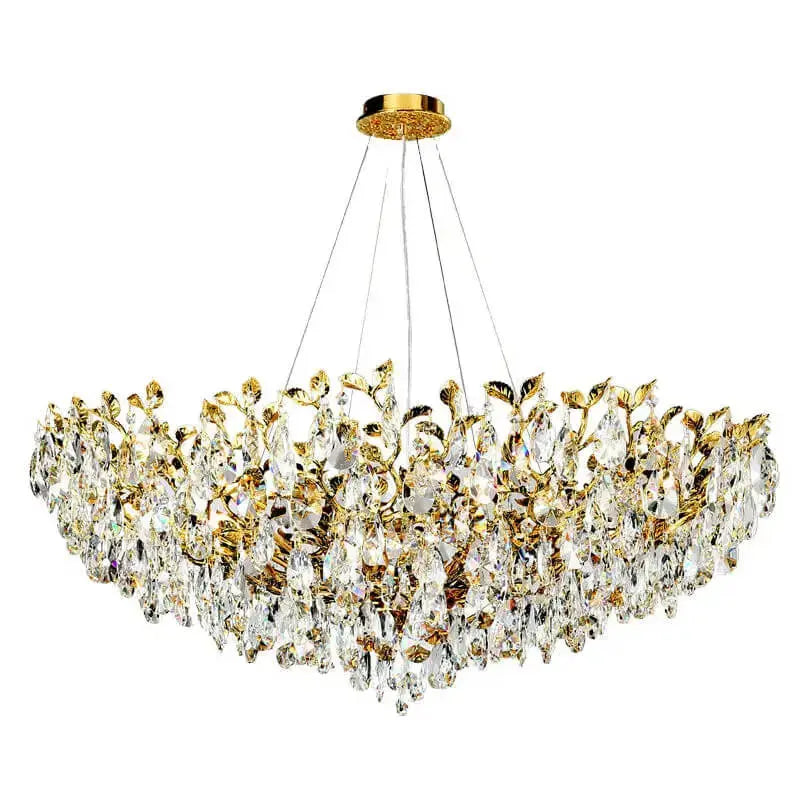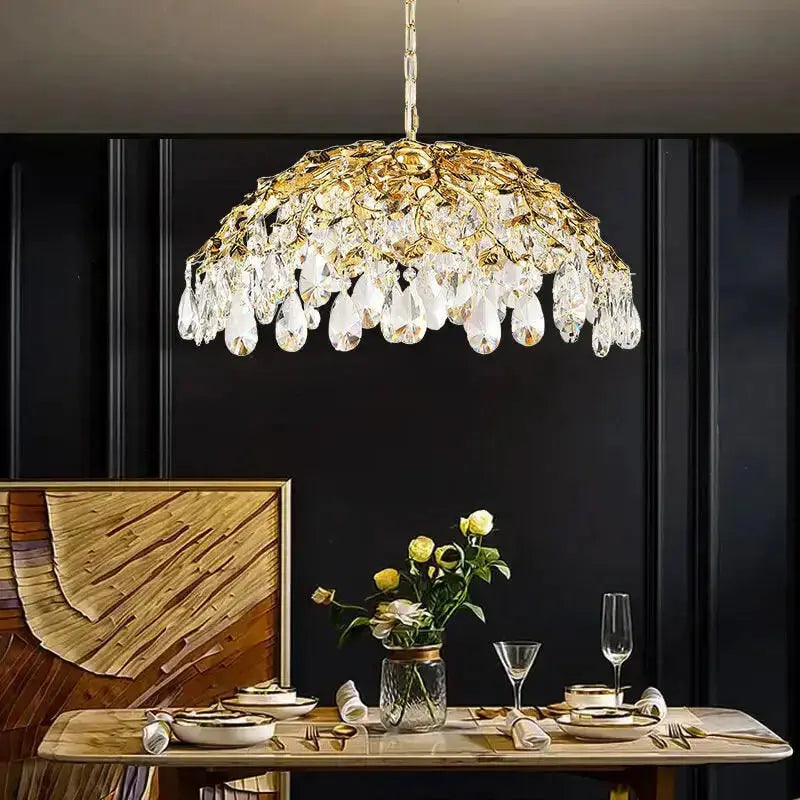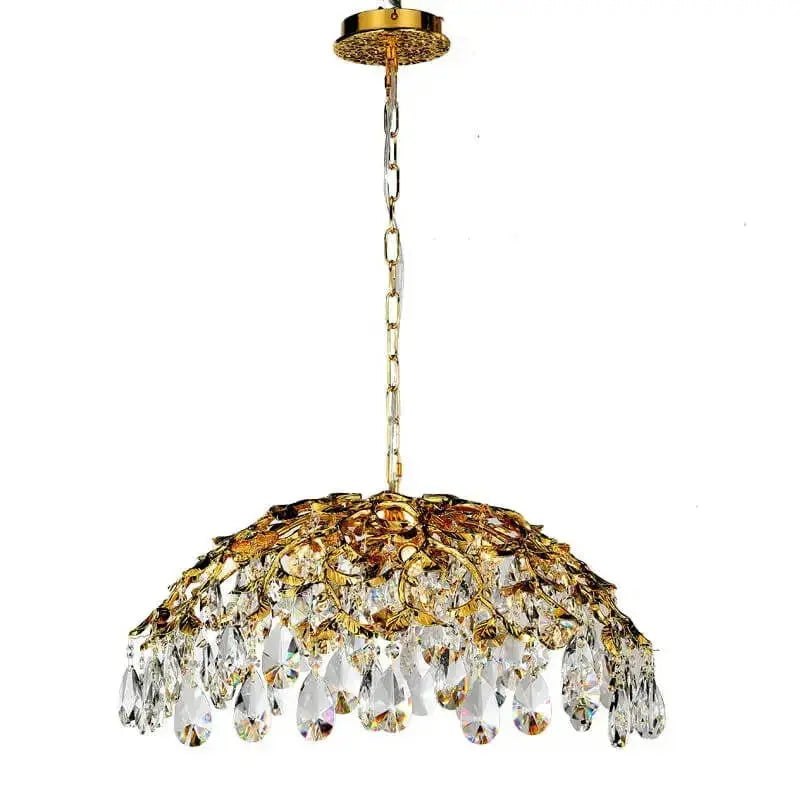

A covered patio earns its place after sunset. It becomes the setting for late suppers, unhurried drinks and quiet moments outdoors - but only when the lighting feels considered rather than simply bright. This guide to covered patio lighting will help you create an exterior space with the warmth, polish and visual presence of a beautifully furnished room.
The most successful schemes do not rely on one powerful ceiling fitting. They use layers: a central decorative fixture to establish character, softer surrounding light to create atmosphere, and focused illumination where people cook, dine or move through the space. The result is practical enough for everyday use, yet refined enough for entertaining.
Start With How You Use the Patio
Before choosing a finish, silhouette or bulb, consider what happens beneath your cover. A compact patio with a bistro table has different needs from a deep veranda arranged with a dining table, outdoor kitchen and lounge seating.
If the patio is primarily for dining, the table should be the visual anchor. A pendant or outdoor chandelier above it brings a sense of occasion and helps define the dining zone beneath a larger roof. For a lounge-led space, softer pools of light around seating are often more flattering than a bright fitting directly overhead. A covered cooking area, meanwhile, needs clearer task lighting at the worktop, balanced by gentler decorative light elsewhere.
Also look beyond the patio itself. Steps, thresholds and routes into the garden need enough visibility to feel safe, but they should not be lit so strongly that they disturb the mood. Lighting works best when the eye can travel gradually from the covered space into the darker landscape.
Choose a Statement Ceiling Fixture First
A ceiling fixture gives a covered patio its focal point. Think of it as jewellery for the architecture: it can make a plain timber roof, rendered overhang or modern pergola feel deliberately designed.
For classic homes, an outdoor lantern-style pendant in black, aged bronze or weathered brass introduces timeless elegance without competing with the garden. Clear glass panels keep the look airy, while seeded or ribbed glass adds a little texture and softens the source of light.
Contemporary patios suit clean-lined geometric pendants, slim outdoor chandeliers or sculptural flush mounts. Matte black offers crisp contrast against pale ceilings; warm metallic finishes feel richer alongside timber, stone and natural woven furniture. If your ceiling is low, a semi-flush or flush fitting maintains generous headroom while still delivering presence.
Scale is where many patios lose their impact. A small fitting can disappear beneath a broad cover, particularly when viewed from the garden. Over a dining table, choose a fixture with enough width to relate to the table rather than the entire patio. Over an open seating arrangement, a larger central piece can work beautifully, provided it leaves comfortable clearance above standing guests.
The Guide to Covered Patio Lighting Layers
A luxury-looking patio rarely comes from decorative lighting alone. Layering gives the space depth and lets you adjust it for a weekday supper, a family gathering or a relaxed evening outdoors.
Ambient light sets the mood
Ambient light is the gentle overall illumination that makes the patio welcoming. Your ceiling fitting may provide some of it, but wall lights, discreet downlights or a carefully placed pair of outdoor lamps can prevent harsh shadows. Aim for a warm white light, generally around 2700K, for a relaxed golden glow that complements wood, brick, planting and skin tones.
Avoid treating the patio like a utility room. Excessively cool, bright light can make even high-quality furniture and finishes feel flat. If you need stronger illumination for cleaning or food preparation, place it on a separate circuit or control so it is available when needed, not all evening.
Task light keeps hosting effortless
Task lighting belongs where a specific activity takes place. An outdoor kitchen needs clear light over the grill, worktop and serving area. A dining table benefits from enough downward illumination to see food and place settings, though the fitting should not shine into guests' eyes.
Where possible, use a shade or fitting design that directs light downward and shields the bulb from direct view. Exposed-filament bulbs can be beautiful in a lantern, but they are less convincing when they are the only source over a table and create glare at seated eye level.
Accent light adds depth
Accent lighting gives the patio its evening drama. It may highlight a textured wall, an architectural column, a large planter or a favourite small tree just beyond the roofline. The goal is not to spotlight every feature. A few intentional focal points make the space feel more expansive and composed.
Wall sconces are especially useful on covered patios because they frame doors, soften blank elevations and create a hotel-like glow. Choose upward-and-downward designs for a more architectural effect, or lantern sconces for a traditional exterior with enduring appeal.
Respect the Outdoor Environment
A roof offers welcome protection, but a covered patio is still an exterior setting. Wind-driven rain, condensation, humidity, dust and seasonal temperature changes all affect what is suitable. Select fittings specifically rated for outdoor or damp-location use according to how exposed the area is. A fully enclosed porch and an open-sided pergola do not face the same conditions.
Material matters as much as rating. Powder-coated aluminium, stainless steel designed for exterior use, and properly sealed finishes tend to be dependable choices. Coastal homes need additional care, as salty air can accelerate corrosion. In these settings, a fitting that looks exquisite on arrival may need more frequent cleaning or a more resilient material choice to retain its finish.
Natural finishes also deserve realistic expectations. Brass and bronze can develop a patina outdoors, which some homeowners find beautifully lived-in and others prefer to avoid. If you want a pristine, uniform appearance with minimal maintenance, choose a finish designed to hold its colour rather than one intended to age.
For electrical work, use a qualified professional who can assess the location, wiring and relevant safety requirements. This is particularly worthwhile if you are adding new circuits, dimmers or multiple lighting zones.
Plan Controls Before Installation
Beautiful fittings can still feel inconvenient if every light is controlled by a single switch. Dividing the scheme into zones gives you far more flexibility. You might control the main pendant separately from wall lights, task lighting and garden accents, allowing the patio to shift from bright practical mode to a softer entertaining scene.
Dimming is one of the most valuable upgrades for a covered patio. It makes a statement pendant work harder: brighter for lunch preparations or games, lower for dinner and conversation. Check that both the bulbs and fixture are compatible with the chosen dimmer, as a mismatched system can cause flickering or reduced dimming range.
Smart controls can be useful, particularly for frequently used patios, but simplicity should lead. A familiar wall control near the door remains essential. Technology is best when it supports the atmosphere without making guests search for an app just to turn on a light.
Avoid the Most Common Design Mistakes
The first is relying on festoon lights as the entire scheme. They bring instant charm and are lovely for temporary gatherings, but they often lack the control, durability and focused illumination needed for a finished exterior room. Use them as an accent if you love the look, not as a substitute for a properly planned lighting foundation.
The second is placing every source at the same height. A central pendant, wall sconces and low garden accents create visual rhythm because they draw the eye through the space. The third is choosing bulbs solely by wattage or brightness. Colour temperature, shielding and dimmability have just as much influence on how flattering the patio feels.
Finally, do not forget the view from indoors. In autumn and winter, a warmly illuminated covered patio becomes part of the outlook from your kitchen or living room. A considered fixture can make the garden-facing elevation feel dressed even on evenings when no one is sitting outside.
A covered patio should feel like an extension of the home, not an afterthought beyond the back door. Choose one memorable focal light, add layers with restraint, and let warm illumination make every evening outside feel a little more special.