A beautifully chosen lamp can make a room feel finished long before the final cushion is placed. Ceramic table lamps are especially effective because they offer two forms of decoration at once: a sculptural object in daylight and a flattering pool of light after dark. On a bedside table, a console or the corner of a lounge, their tactile presence introduces warmth that metal and glass alone rarely achieve.
For interiors that favour considered luxury over fleeting trends, ceramic is a remarkably versatile choice. A softly glazed silhouette can calm a contemporary bedroom; a hand-finished, richly coloured base can bring needed depth to a neutral living space. The secret is not simply choosing a beautiful lamp. It is choosing one with the right scale, shade and character for the setting.
Why ceramic table lamps feel so considered
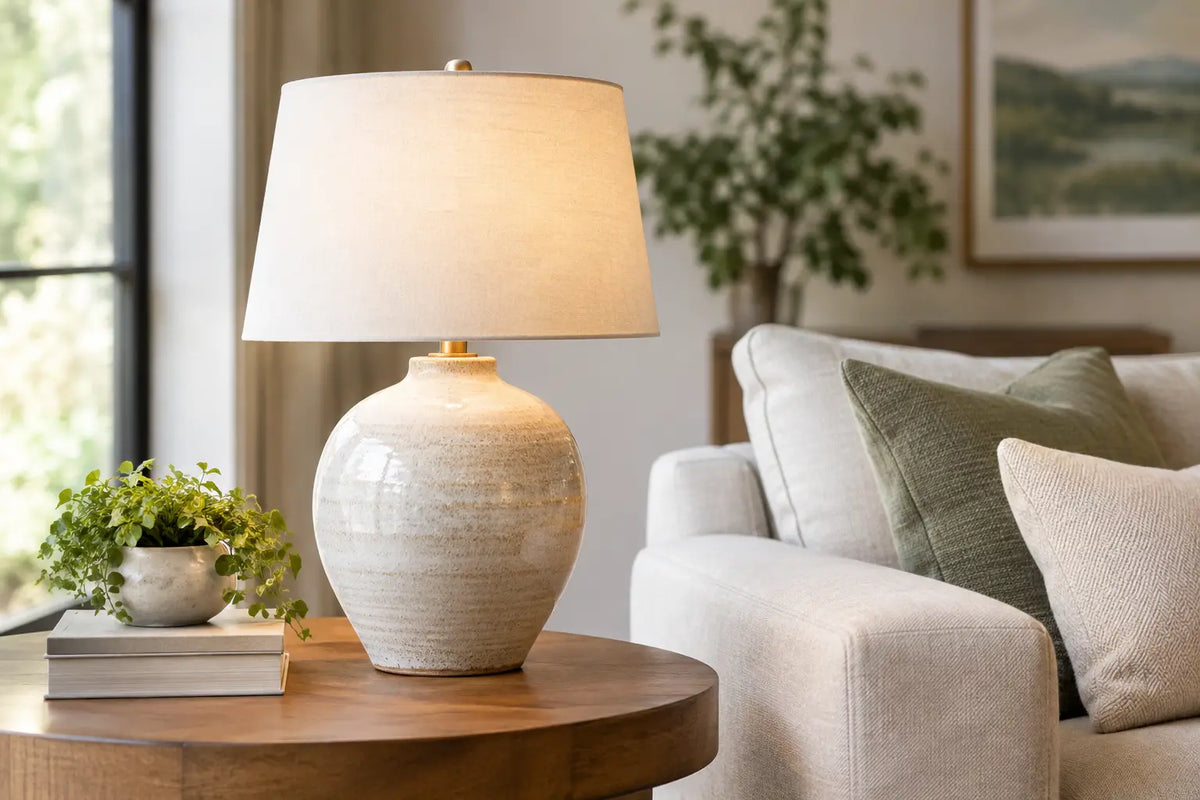
Ceramic has a visual softness that works across decorating styles. Its surface catches daylight gently, while a glossy glaze reflects evening illumination with a subtle sheen. Matte finishes, by contrast, feel more architectural and understated. Even when a ceramic lamp is neutral in colour, its form can add dimension to a scheme built around timber, linen, stone or upholstered furniture.
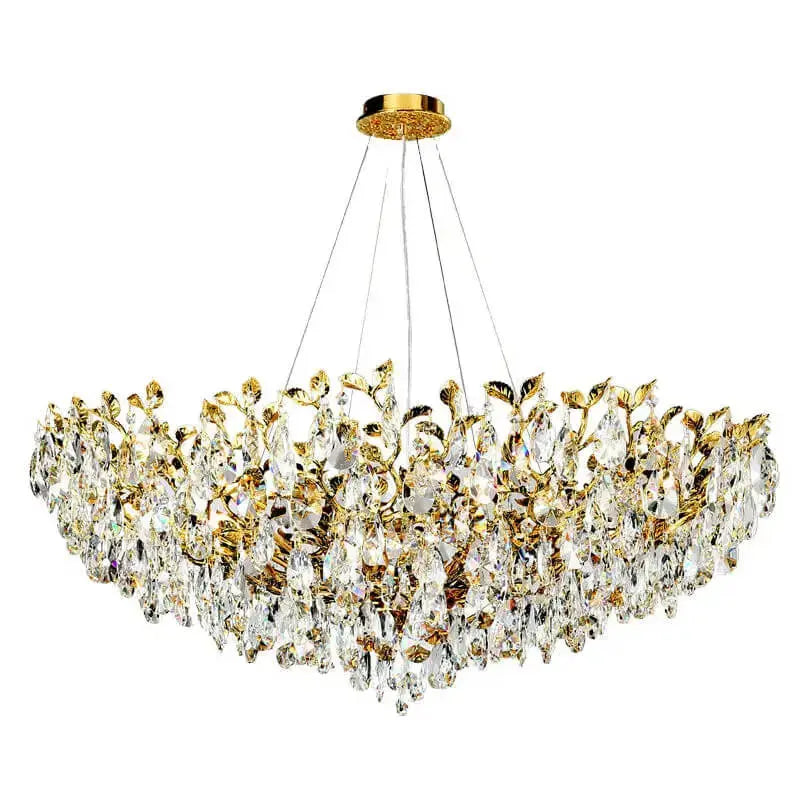
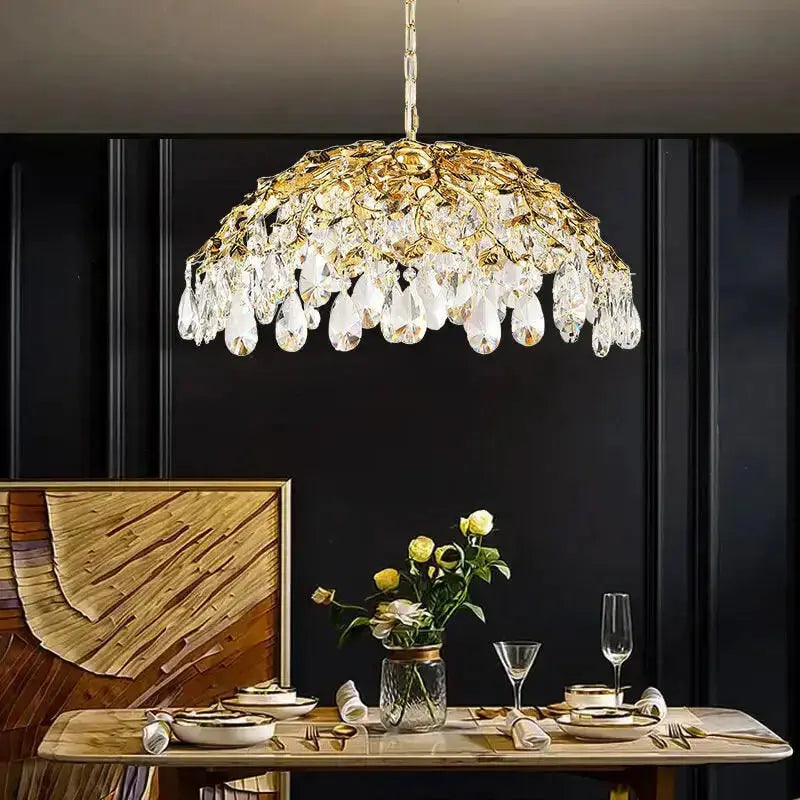
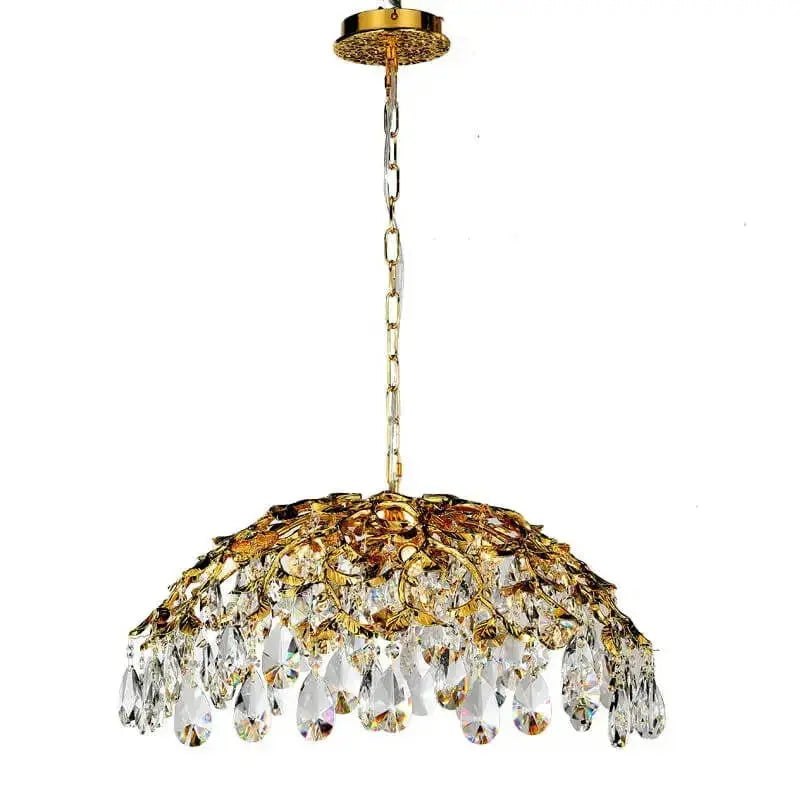
This material also gives designers freedom with shape. You may find clean cylindrical bases for modern spaces, generous urn profiles for classic rooms, fluted designs with an artisanal feel, or playful organic forms that act almost like small sculptures. That breadth makes ceramic a strong alternative when a crystal chandelier or statement pendant provides the room's drama, but the lower-level lighting needs to feel balanced rather than competitive.
There is a practical advantage, too. A substantial ceramic base tends to feel settled and stable on a table. This matters on a busy hallway console or a bedside table where a lighter lamp can look visually insubstantial. It does not mean ceramic is indestructible, however. Glazed finishes can chip if knocked, and very large bases need a firm surface, particularly in homes with young children or energetic pets.
Choosing ceramic table lamps by room
Bedside tables: favour comfort and proportion
Bedroom lamps should make the last hour of the day feel softer, not more clinical. Consider a ceramic base with a fabric shade, such as linen, cotton or a fine woven texture, to diffuse the bulb and minimise glare. Warm white light is generally more restful than a cooler bulb, particularly if you read in bed.
Height is the detail most often overlooked. When you are sitting upright, the lower edge of the shade should sit around eye level or just below it, so the bulb is concealed and the light falls comfortably across your book. A tall, narrow lamp can suit a compact bedside table, while a lower, broader design gives a larger bed and generous bedside table a more grounded presence.
Matching lamps create a polished, symmetrical look, especially around an upholstered headboard. For a more collected interior, two complementary ceramic designs can be more interesting, provided their height, shade colour or visual weight is similar.
Lounges: layer light with intention
A lounge looks more luxurious when its lighting comes from more than one level. A ceiling fixture gives the room its overall identity, while ceramic table lamps provide the intimate, low-level glow that makes people want to stay. Place one at each end of a long console, on side tables beside a sofa, or on a cabinet where it can illuminate artwork and decorative objects nearby.
Here, the lamp base can carry more personality. Deep olive, ink blue, terracotta and black ceramic bring richness to a pale palette. Cream, sand and chalky white create a quieter effect and allow a dramatic chandelier, patterned rug or colourful artwork to remain the focal point. A high-gloss finish reflects light beautifully in an evening setting, whereas a textured matte base feels more relaxed and tactile.
Avoid choosing lamps only by their individual beauty. Two small lamps can disappear beside a substantial sofa, while one oversized design may crowd a narrow side table. Look at the lamp as part of the furniture grouping: its shade should feel generous enough to hold the visual weight of the seating, without obscuring conversation across the room.
Hallways and consoles: create an arrival moment
A hallway lamp should feel welcoming from the moment the front door opens. Ceramic is ideal here because a shapely base reads as decorative even when the lamp is switched off. A pair of lamps on a wide console lends formal elegance, while one distinctive piece beside a mirror creates an artful focal point in a smaller entrance.
Choose a shade that leaves enough room for keys, flowers and everyday essentials. If the console is narrow, a slim oval or rectangular shade may be more practical than a large round one. A lamp with a softly tapered form can also help make a low ceiling feel less imposing by drawing the eye upwards without adding visual clutter.
Dining rooms and home offices: use with restraint
Table lamps are not reserved for lounges and bedrooms. In a dining room, they can make a sideboard feel dressed for evening entertaining, particularly when paired with a statement ceiling fitting above the table. Keep their light low and inviting so they complement, rather than compete with, the central fixture.
In a home office, ceramic introduces warmth to a space that can otherwise become dominated by screens and hard finishes. The trade-off is task performance. A decorative lamp with an opaque shade is excellent for ambience but may not give enough directed light for detailed work. Choose a design with a suitable bulb, or pair it with a more focused desk lamp if the room serves both work and relaxation.
Get the scale right before choosing the finish
The finest glaze cannot rescue a lamp that is wrongly proportioned. Start with the table itself. A lamp should leave usable surface around its base and should not feel taller than the furniture can support visually. On a bedside table, the overall lamp height is often close to the height of the headboard's lower section, rather than dramatically above it. On a console, a taller lamp is often welcome, particularly beneath a large mirror or artwork.
Shade width matters as much as height. A practical guideline is to select a shade that is broadly similar to the width of the base at its widest point, or slightly wider. This creates a composed silhouette. A very narrow shade on a full-bodied ceramic base can look top-heavy, while an overly broad one makes the whole piece feel clumsy.
Before ordering, use a piece of paper or cardboard to mark the lamp's stated width and height on the intended surface. This simple check reveals whether the lamp will block a view, overwhelm a small table or leave too little space for daily use. It is a more reliable test than judging dimensions from a product image alone.
Shade, bulb and finish: the details that shape the mood
The shade controls both the atmosphere and the apparent colour of the ceramic. White and ivory shades offer a crisp, versatile look, but a warmer linen shade can make a cream or earthy base feel particularly inviting. Black or dark shades are striking against pale ceramic, yet they direct more light up and down, so they suit decorative ambience better than broad illumination.
For everyday living spaces, a warm white LED bulb usually gives the most flattering result. It enhances timber, textiles and skin tones, while also keeping running costs modest. If the lamp will be used for reading, look for adequate brightness and consider a dimmable bulb where the fitting allows it. The ability to soften the light is one of the simplest ways to move a room from practical daytime use to an elegant evening setting.
Finish should connect with the wider room, but it need not match every element. A glossy ivory ceramic lamp can sit beautifully alongside antique brass, chrome or dark bronze hardware. A crackle glaze or handcrafted texture adds character to a pared-back scheme. If your room already has bold veining, pattern or crystal detailing, a simpler ceramic form may provide the visual pause the space needs.
Styling ceramic table lamps as part of a complete scheme
A lamp looks most convincing when it has a relationship with what surrounds it. On a console, leave a little breathing room around the base, then add one or two considered objects rather than a crowded collection. A low decorative bowl, a small stack of art books or a vase with seasonal branches can create a layered composition without hiding the lamp's silhouette.
Repeat a cue from elsewhere in the room. This could be the lamp's warm ivory tone echoed in a cushion, its blue glaze picked up by a painting, or its curved profile mirrored in a round coffee table. Repetition makes an interior feel intentional, even when the furnishings have been collected over time.
For a more elevated approach, combine ambient, task and accent lighting. A ceramic lamp beside seating supplies ambience, a floor lamp can support reading, and a ceiling fixture establishes the room's decorative centrepiece. The result is not merely brighter. It is more dimensional, adaptable and hospitable.
Ceramic table lamps reward a slower choice. Let the room tell you whether it needs a quiet neutral, a saturated statement or a sculptural finishing touch, then give the lamp enough space to earn its place. At ChandeliersLife, that considered balance between practical illumination and decorative presence is where a well-lit home begins to feel truly personal.