A beautifully veined basin, a sculptural tap and an elegant mirror can still feel underwhelming when the lighting is wrong. Bathroom vanity lighting is what makes the daily ritual work - revealing true skin tones, softening harsh shadows and giving the room the polished, considered atmosphere of a boutique hotel.
The most successful scheme does not rely on one bright ceiling fitting. It layers practical light around the mirror with ambient illumination overhead, balancing function with the decorative presence that turns a bathroom into a personal retreat.
Bathroom vanity lighting begins at the mirror
The mirror is the working centre of the room, so start there rather than choosing a fitting in isolation. For shaving, applying make-up, styling hair or simply checking your appearance before leaving home, light should reach the face from the front and both sides. This is the difference between a flattering reflection and one marked by deep shadows beneath the eyes, nose and chin.
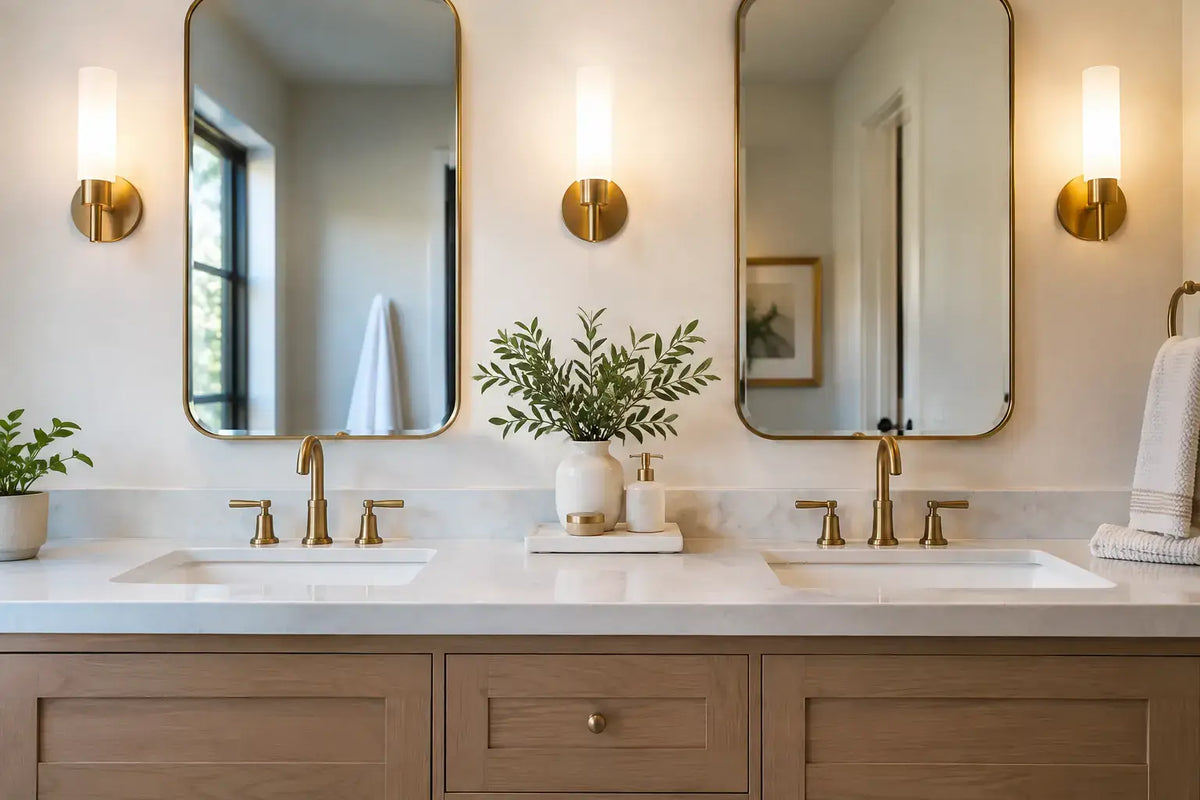
Wall lights placed either side of the mirror are often the most refined solution. Position their centres roughly at eye level, usually between 150 and 170 cm from the floor, then adjust for the people who will use the space most. The goal is an even wash of light across the face, not a pair of exposed bulbs glaring into the mirror.
A horizontal vanity light above the mirror can also be highly effective, particularly above a wide double basin. Choose a fitting that is close to the width of the mirror, or at least three quarters of it, to distribute illumination evenly. A narrow light above a large mirror can look visually lost and leave the outer edges of the vanity in shadow.
Where wall space is limited, an illuminated mirror offers a clean, contemporary answer. Look for light around the perimeter or integrated at both sides, rather than a single strip at the top. This approach suits compact cloakrooms and modern bathrooms where a calm, architectural finish matters as much as practical performance.
Choose brightness for real routines
Bathroom lighting should feel luxurious, but it should never be too dim to be useful. Rather than judging brightness by wattage alone, consider lumens, which describe the amount of light a fitting produces. A vanity area generally benefits from approximately 1,600 to 2,400 lumens in total, depending on the size of the mirror, wall finishes and amount of daylight.
Pale marble, glossy tile and large mirrors naturally reflect light, so a smaller room with bright finishes may need less output. A moody bathroom in charcoal, deep green or richly grained timber will absorb more illumination and may need stronger fittings or an additional layer of ceiling light. Dimmers are especially worthwhile here. They allow bright, clear light during the morning rush, then a gentler glow for an evening soak.
Colour temperature deserves just as much attention. For a warm, relaxing bathroom, 2700K creates an inviting, golden tone. Around 3000K is often the sweet spot for bathroom vanity lighting: crisp enough for grooming, yet still soft and elevated beside stone, brass and warm white finishes. Cooler light above 4000K can appear clinical in a residential setting, though it may suit a very contemporary scheme with cool-toned porcelain and chrome.
For the most accurate reflection, choose LEDs with a colour rendering index, or CRI, of 90 or above. High-CRI lighting renders complexion, cosmetics and fabric colours more faithfully. It is a discreet specification, but one that makes a noticeable difference every morning.
Balance statement style with soft illumination
Decorative bathroom lighting does not have to be purely functional. A pair of fluted glass wall lights can add Art Deco glamour beside a framed mirror, while alabaster sconces introduce a gentle, naturally diffused glow. In a minimal bathroom, slim linear fittings in brushed brass, black or polished nickel bring definition without visual clutter.
The shade or diffuser is crucial. Clear glass delivers sparkle and works beautifully with decorative filament bulbs, but it can create uncomfortable glare at close range. Frosted, ribbed or opal glass softens the source and is usually kinder around a mirror. If you love the visual drama of clear glass, consider pairing it with a dimmer and warm, lower-output bulbs.
Finishes should relate to the wider scheme rather than match every metal precisely. Brushed brass vanity lights look exquisite with aged brass taps, but they can also warm up a bathroom with matte black hardware. Polished chrome remains a timeless choice for bright, classic interiors, while bronze brings depth to travertine, walnut and traditional cabinetry. The result should feel collected and intentional, not overly coordinated.
Scale the fitting to the vanity
Scale is where many otherwise beautiful bathroom schemes lose their confidence. A delicate wall light can disappear beside an oversized arched mirror, while heavy fixtures can overwhelm a narrow basin or compact cloakroom. Allow the mirror and vanity to set the visual proportions.
For a single vanity, two modest sconces often provide the most balanced composition. Leave enough breathing room between the fitting and mirror frame so each element can be appreciated. For a double vanity, either use a sconce on each outer side and one between the mirrors, or select a longer horizontal fitting above each mirror. The exact arrangement depends on the wall width and whether the mirrors are separate or continuous.
Do not overlook the fitting's projection. A wall light that extends too far can interfere with a mirrored cabinet door or become awkward in a tight passage. In a small bathroom, shallow-profile sconces and backlit mirrors preserve precious space while still delivering an elegant finish.
Layer the room beyond the vanity
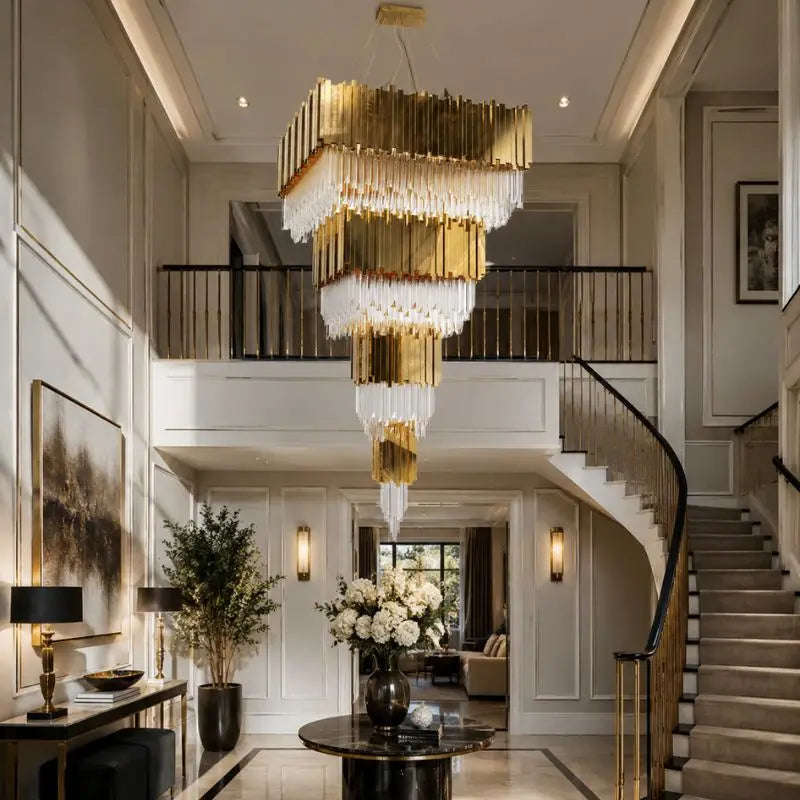
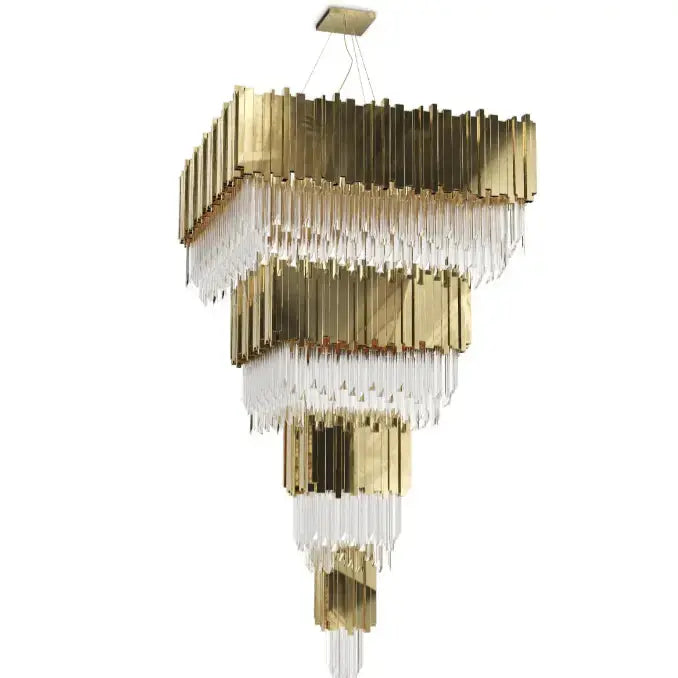
A vanity light should not carry the whole room alone. Ceiling lighting provides orientation and general brightness, while a decorative pendant or small chandelier can create a more expressive focal point where ceiling height permits. Above a freestanding bath, this touch can feel wonderfully indulgent, but it must be positioned safely and installed to meet bathroom regulations.
Recessed downlights offer discreet ambient light, especially in rooms with lower ceilings. Use them thoughtfully rather than filling the ceiling with a grid of bright spots. A few well-placed fittings, kept away from directly above the mirror where possible, will make the room feel calmer and more spacious.
For a hotel-inspired finish, add a low-level glow under a floating vanity, inside a niche or beneath open shelving. This is not a substitute for task lighting, but it creates depth after dark and makes midnight visits far less jarring. Put accent lighting on a separate circuit if possible, so it can be enjoyed independently from the brighter vanity lights.
Safety and installation are part of the design
Bathrooms are humid spaces, so decorative appeal must be paired with the correct IP rating. The required rating depends on where the fitting will sit in relation to the bath, shower and basin, as well as the bathroom's defined electrical zones. A qualified electrician can confirm what is suitable for your layout and ensure the installation complies with current regulations.
As a general rule, fittings close to water need greater protection than those positioned well away from splash areas. Do not assume that any wall light is bathroom-ready simply because it looks right. Check the product specification before falling in love with the finish.
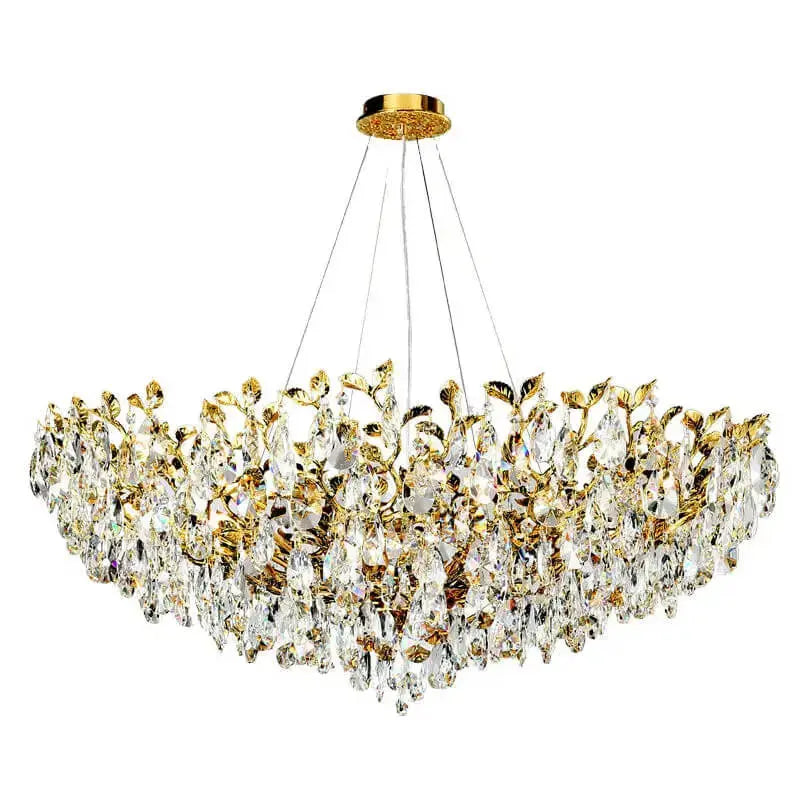
Consider maintenance, too. Highly ornate fittings with multiple crystals may look exquisite, but they need more regular cleaning in a steamy room. Smooth glass, sealed metalwork and integrated LED designs offer a more streamlined option for busy households. The right choice depends on whether you want a striking decorative moment or a lower-maintenance everyday luxury.
The best bathroom vanity lighting makes you look good, certainly, but it also changes how the room feels at every hour. Choose a design that gives the mirror clear, even light, then let its material, silhouette and glow bring a little ceremony to the everyday.