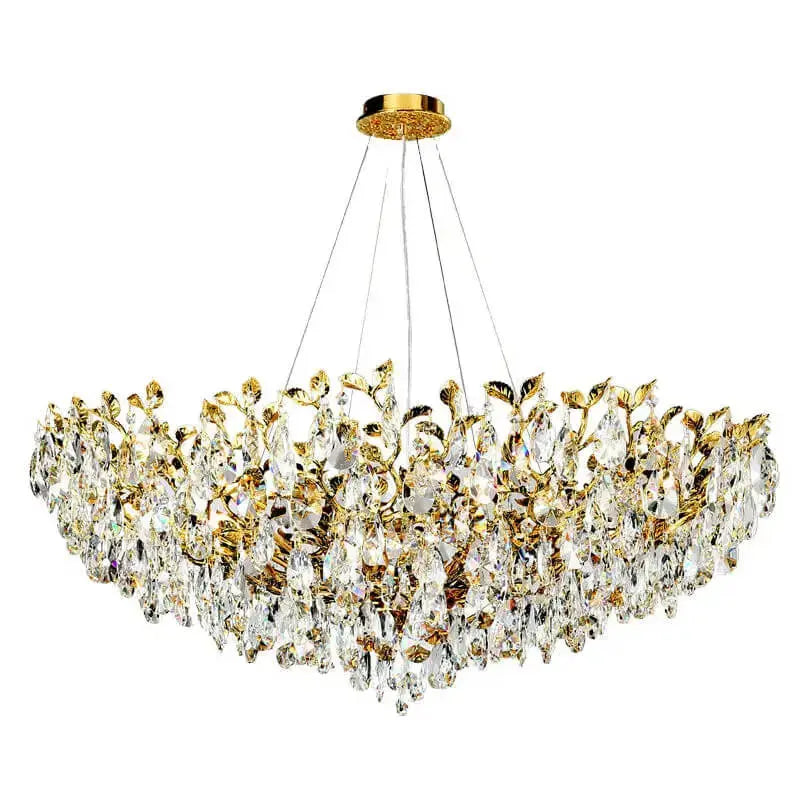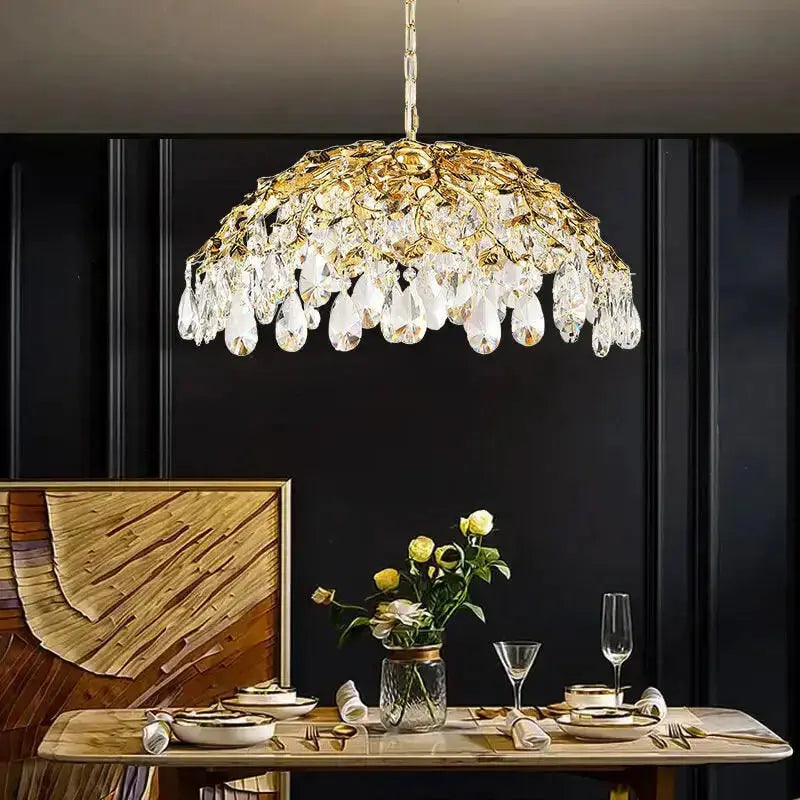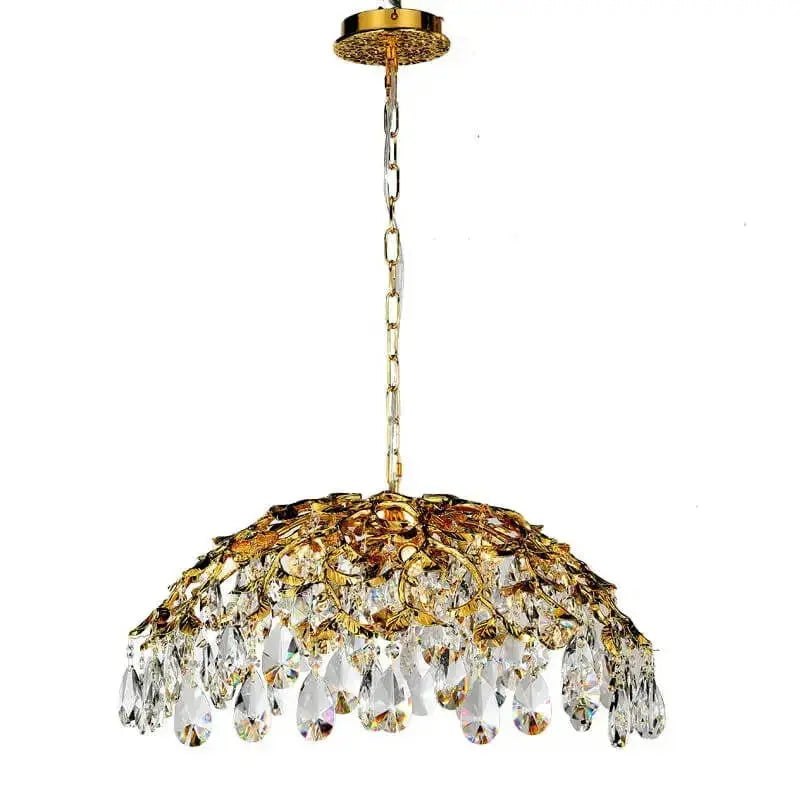
A lamp should no longer disappear into the corner of a room. The most compelling lamp trends of 2026 treat table and floor lighting as part of the interior architecture: a glowing accent beside a velvet sofa, a sculptural silhouette on a bedside table, or a softly lit statement that gives an overlooked reading corner real presence. For homeowners refining a beautiful space, the question is not simply which lamp provides light. It is which lamp adds atmosphere when the main ceiling fixture is switched off.
Lamp Trends for 2026: Softer, Sculptural, More Personal
The prevailing mood is warmer and more considered than the stark minimalism of recent years. Clean-lined interiors still have their place, but they are being softened with rounded shades, natural stone, tactile fabrics and metal finishes that feel aged rather than overly polished. A lamp is increasingly chosen for its daylight appearance as much as its evening glow.
This shift makes sense in rooms designed for real life. Layered lighting allows a living room to feel composed for entertaining, then quiet and intimate at the end of the day. In bedrooms, a pair of well-proportioned lamps can replace the harshness of one central fitting. In an entrance hall, a console lamp creates a gracious first impression long before a chandelier comes into view.
The strongest choices balance visual drama with restraint. A dramatic marble base may need a simple linen shade; an ornate crystal lamp is often at its best against a calm wall colour. Luxury is not about adding every detail at once. It is about selecting materials and proportions that make the room feel intentional.
Sculptural silhouettes take centre stage
Lamp bases are becoming more expressive. Expect to see generous curves, stacked spheres, pleated forms, fluted columns and asymmetrical ceramic profiles with the presence of small works of art. These designs suit interiors that need a focal point without the commitment of another large piece of furniture.
A sculptural table lamp works especially well on a sideboard, wide bedside table or entrance console, where there is room to appreciate its outline. On a narrow shelf or petite occasional table, a slimmer column form will feel more elegant and leave space for a book, vase or decorative tray. Scale matters: a lamp that is too small can look apologetic, while one that is too substantial can overwhelm the surface beneath it.
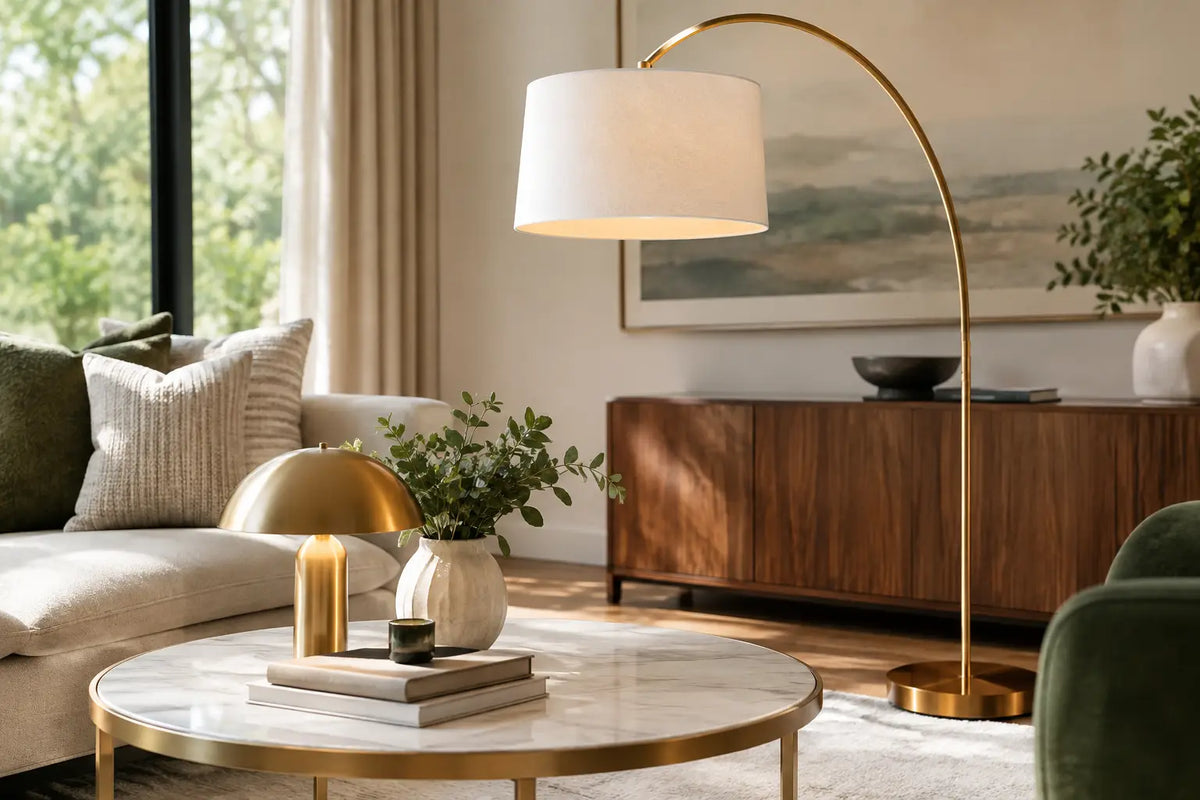
Floor lamps are following the same direction. Arched designs bring light over a lounge chair without requiring a side table, while statuesque bases in stone, metal or textured finishes can anchor an empty corner. Choose a floor lamp with a broad shade for ambient light, or a directional head if its primary role is reading.
Alabaster, marble and veined finishes add quiet luxury
Natural-looking materials remain central to high-end lighting. Alabaster-inspired lamps offer a soft, luminous quality that changes gently when illuminated, making them particularly appealing in bedrooms and relaxed sitting rooms. Marble and stone-effect bases introduce weight and permanence, giving modern spaces a more collected, established feel.
Veining should be treated as a design feature, not a background detail. A pale stone lamp can bring movement to a neutral scheme of cream, taupe and soft grey, while darker marble lends definition to rooms with oak, walnut or richly coloured upholstery. Because every veined surface reads differently, these pieces feel less generic than plain painted finishes.
There is a practical consideration, however. A heavy stone base is reassuringly stable, but it is not always ideal for a lightweight shelf or delicate occasional table. Check the proportions of the furniture and allow the material to lead the styling. One beautiful stone lamp may be all a console needs.
The return of the fabric lampshade
After years dominated by exposed bulbs and hard-edged metal, fabric shades are enjoying a deserved revival. Linen, cotton and finely woven shades diffuse light beautifully, reducing glare and giving a room a more flattering evening atmosphere. They also introduce texture at eye level, which can make a scheme feel warmer without changing the wall finish or upholstery.
Cream, oat, ivory and soft parchment remain enduring choices, but deeper shades are gaining ground. A chocolate, rust or muted olive lampshade can make a confident statement in a library-style living room or a bedroom with layered, earthy tones. These darker shades direct more light downwards, so they are best used where mood is more important than broad illumination.
Pleated and gently gathered shades offer another route into the trend. They bring a subtle heritage reference to contemporary interiors, particularly when paired with a simple ceramic or brass base. The effect is inviting rather than formal: familiar shapes, elevated by better materials and carefully judged scale.
Warm metals replace icy finishes
Brass remains a leading finish, but the preferred look is brushed, antique or softly aged rather than mirror-bright. It pairs naturally with warm white walls, timber furniture and creamy textiles, while giving a room a refined gleam after dark. Bronze and darkened metal offer a similarly sophisticated alternative, especially in rooms where black accents already define the scheme.
Polished chrome has not disappeared, but it is most persuasive in a deliberately tailored setting - perhaps alongside smoked glass, crisp monochrome furnishings or contemporary art. The wider trend is towards finishes with depth. A lamp should look as though it belongs with the rest of the home, not as though it has been added as an afterthought.
Mixing metals can look beautifully relaxed when there is a clear thread between them. Brass table lamps may sit comfortably beneath a darker bronze chandelier if both have warm undertones. What tends to look less successful is combining multiple shiny finishes with no repeated material elsewhere in the room. Repetition creates calm.
Layered lighting becomes the new luxury essential
The most useful lamp trends are not merely decorative. They support the move towards rooms that adapt throughout the day. A ceiling fitting provides overall illumination, but lamps create the pools of light that make a home feel lived in and welcoming.
In a living room, consider a table lamp at each end of a larger sofa arrangement, then add a floor lamp by a chair or in the darker side of the room. This avoids the flat effect of relying on a single overhead source. In a bedroom, matching lamps offer pleasing symmetry, though an intentionally mismatched pair can be equally elegant if the shades are similar in height and tone.
Dimmable bulbs are a worthwhile finishing touch. They allow an exquisite crystal chandelier to shine for dinner while letting table lamps take over later, when a softer glow is wanted. Aim for warm white light rather than a cool blue-white output in relaxation spaces. The fitting may be luxurious, but the quality of the light determines whether the room actually feels luxurious.
Portable lamps move beyond the patio
Rechargeable portable lamps continue to move from exterior dining tables into every part of the home. Their appeal is simple: no trailing cable, no fixed placement and an immediate atmosphere boost. A small portable lamp can transform a dining table for an informal supper, add a soft point of light to open shelving, or make a covered terrace feel as thoughtfully furnished as the sitting room.
For exterior living spaces, look for a design made for outdoor conditions rather than taking an indoor lamp outside. A weather-suitable portable lamp is ideal for a garden table, balcony or covered porch, where overhead lighting may be limited. It also gives hosts flexibility: light can move with the gathering instead of dictating where everyone sits.
The trade-off is output. Portable lamps are exceptional for ambience, but they rarely replace task lighting for reading or food preparation. Think of them as jewellery for the room or terrace - small, deliberate and transformative.
How to Choose a Trend-Led Lamp That Lasts
Trends should sharpen your eye, not force a quick decision. Before choosing a lamp, consider its job in the room, the height of the furniture around it and how the shade will affect the light. A grand sculptural base may be perfect beside a low modern sofa but awkward on a tall traditional console. Likewise, a dark shade can look magnificent, yet may be impractical as the only lamp beside a reading chair.
The pieces most likely to endure combine a current silhouette with timeless materials. A finely proportioned alabaster-style lamp, an elegant brass floor lamp or a textured ceramic design in a restrained palette can evolve with changing cushions, paint colours and artwork. For a more expressive choice, use a portable lamp or smaller table lamp to introduce colour or an unusual form without changing the entire room.
When selecting decorative lighting for a home, ChandeliersLife encourages a room-by-room view: let the chandelier establish the statement overhead, then use lamps to bring warmth, depth and a more intimate scale below. Choose the design that makes you want to turn it on every evening - that is usually the one that will continue to feel right long after the trend has moved on.