A staircase is one of the few places in a home where every step must feel considered. It connects floors, frames sightlines and often sits at the heart of the entrance hall, yet it is frequently left with a single ceiling fitting that creates harsh shadows. This stairwell lighting guide shows how to bring together safety, atmosphere and decorative impact, whether you are refreshing a compact landing or planning a dramatic double-height foyer.
Start with the staircase itself
Before choosing a pendant, chandelier or wall light, look closely at the architecture. A straight stair with a generous void can support a striking vertical fixture, while a narrow enclosed stairwell benefits from slim wall lights or discreet ceiling fittings that preserve headroom. The shape, ceiling height and amount of natural light all affect what will look beautiful and work well after dark.
Think about the view from both directions. From below, the light should welcome people into the upper floor rather than expose a glaring bulb. From above, it should illuminate each tread clearly and make the descent feel calm. This is especially relevant where stairs are finished in dark timber, polished stone or a deep-toned runner, as these surfaces absorb light and can make edges harder to read.
The most successful schemes use layers. Ambient light gives the stairwell an even glow, decorative light establishes the room's character, and low-level light helps define the route. You may not need all three in a modest stair, but relying on one central fitting alone is rarely the most flattering or practical approach.
Stairwell lighting guide: choose the right layers
Ambient light for clear, comfortable movement
Ambient lighting should reach the full staircase without producing stark pools of brightness and darkness. Recessed ceiling lights can work well along an enclosed stair, particularly where the ceiling is low. Position them to wash light across the treads rather than directly above the centre line, which can cast pronounced shadows behind each step.
In a taller stairwell, a semi-flush ceiling fixture or a carefully scaled pendant can provide the primary illumination. Frosted glass, fabric shades and alabaster-style diffusers soften the source beautifully. Clear crystal offers more sparkle and visual drama, but pair it with sufficient surrounding light so the space feels inviting rather than theatrical in the wrong way.
For a relaxed residential feel, choose warm white light, generally around 2700K to 3000K. It complements timber handrails, painted panelling, brass details and natural stone far better than a cool blue-white lamp. Colour rendering matters too: a high CRI helps wall colours, artwork and material finishes retain their intended richness.
Decorative light that works with the vertical space
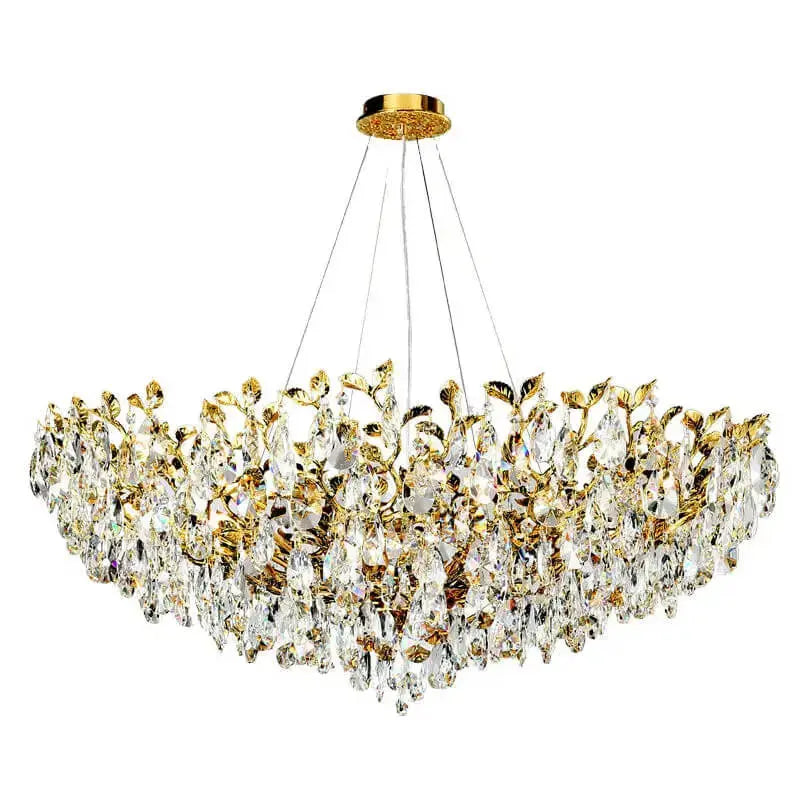
A stairwell is an ideal setting for a chandelier because the void gives a statement piece room to breathe. The best choice responds to the stair's proportions instead of merely filling empty air. A tall, cascading design can echo the line of a sweeping staircase, while a sculptural globe chandelier brings a contemporary focal point to a square or open-plan entrance.
Scale is the essential trade-off. An undersized fitting disappears, especially in a two-storey hall. An oversized one may feel crowded or create a clearance issue near the upper landing. As a guide, leave generous space between the lowest point of the fitting and any route people use, then check the view from the top and bottom before final installation. A qualified electrician can confirm safe placement, fixing requirements and the suitability of the ceiling structure.
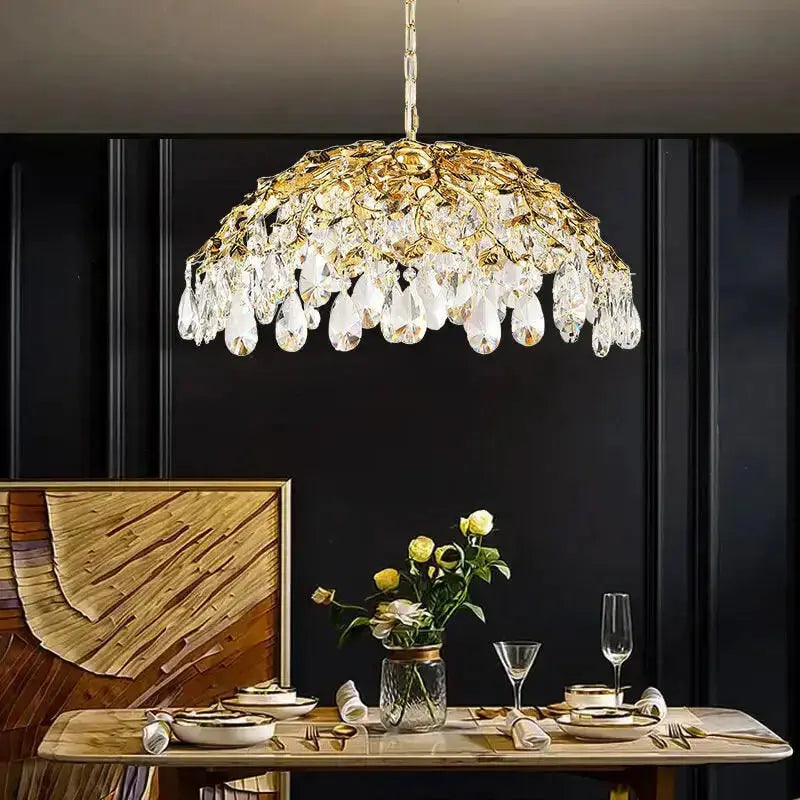
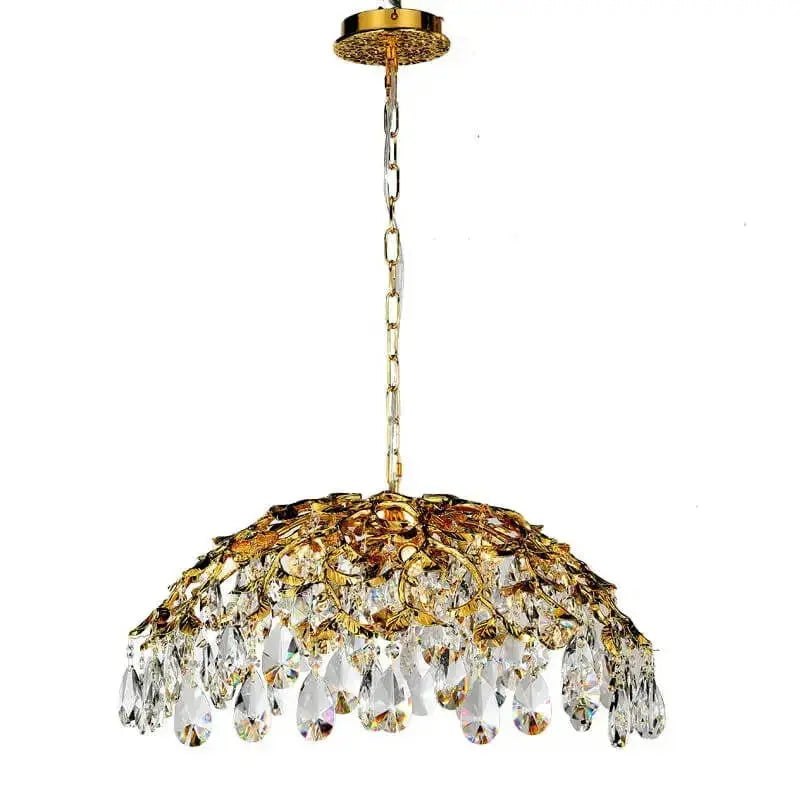
Crystal chandeliers suit traditional homes, period-inspired interiors and glamorous foyers, catching daylight as well as evening illumination. For a more restrained luxury look, consider linear forms, softly glowing alabaster pendants, smoked glass or an arrangement of modern globes at staggered heights. Repeating the finish of the bannister hardware, door furniture or nearby wall lights helps the whole scheme feel intentional.
Low-level light for safer steps
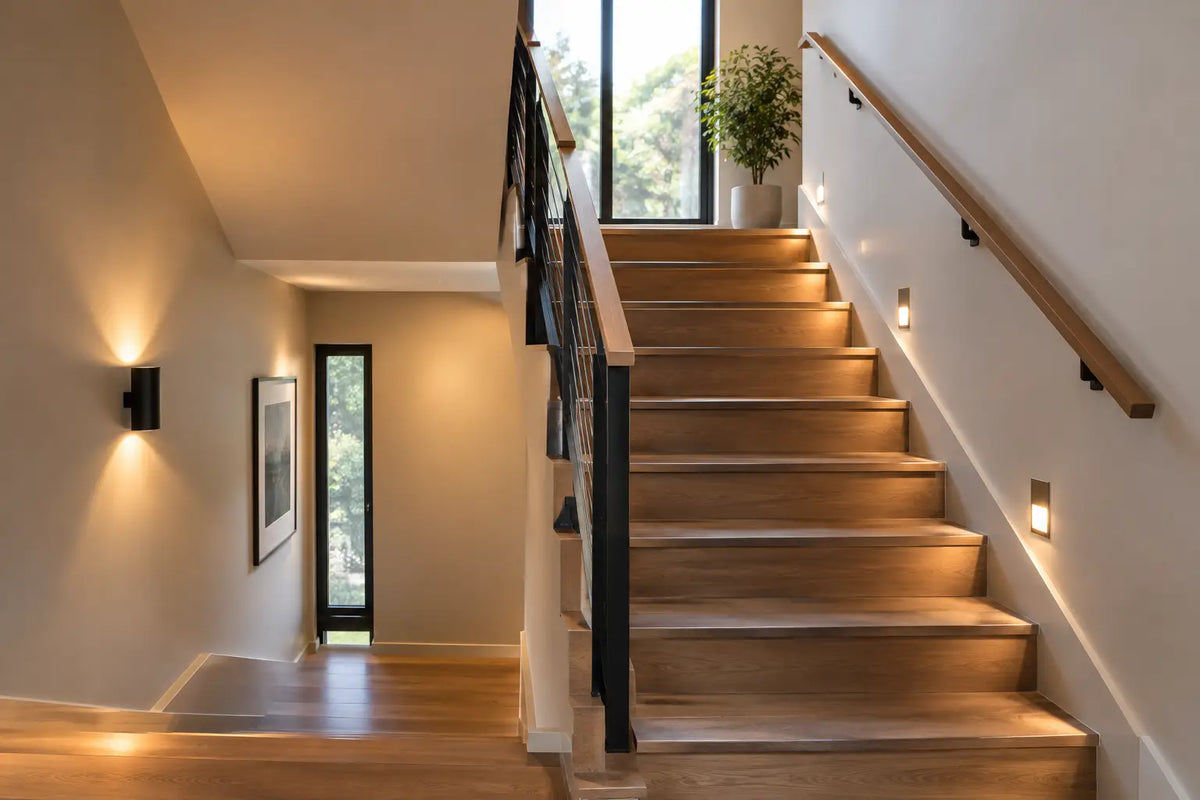
Step lights and wall-mounted guide lights add an elegant hotel-inspired finish while solving a practical problem: they reveal the tread edge without flooding the area with light. They are especially valuable for households with children, older relatives or anyone likely to use the stairs at night.
Place low-level fittings consistently along the wall, usually close enough to define the route without shining directly into someone’s eyes. If your staircase is open on one side, lighting beneath the handrail or beneath selected treads can create a floating effect. These details are most effective when used sparingly. Too many points of light can make the stairs look busy and introduce visual clutter.
Plan the controls before installation
A beautiful fitting is only useful when the controls suit how you live. At a minimum, stair lights should be operable from both the top and bottom of the stairs. Two-way switching avoids the familiar inconvenience of walking through a dark stairwell or leaving a bright light on unnecessarily.
Dimmers are a worthwhile addition for decorative stairwell lighting. Use full brightness during busy mornings, cleaning or moving luggage, then lower the level in the evening for a softer transition between floors. Check that the chosen lamps and fittings are dimmable and compatible with the selected dimmer. This small technical detail prevents flickering, buzzing and disappointing light quality.
Motion sensors can be useful for discreet step or landing lights, particularly in family homes. They are less suitable as the sole control for a grand chandelier, where an unexpected switch-on may feel intrusive and the sensor may not detect movement as intended. A considered combination often works best: manual or dimmable control for the main decorative fitting, with sensor operation for low-level guidance.
Avoid glare, shadows and maintenance regrets
A staircase creates more angles than an ordinary room. Glossy wall paint, glass balustrades and polished floors can reflect exposed bulbs uncomfortably, while a single downlight can exaggerate shadows between treads. Diffused fittings, shielded LEDs and wall lights that cast light both upward and downward are usually more forgiving.
Do not overlook maintenance. A multi-tier crystal chandelier is exquisite over a tall stairwell, but it needs periodic cleaning and safe access for lamp changes. Integrated LED fittings reduce routine bulb replacement, though their expected service life and replaceable components are worth checking before purchase. Choose a finish that suits your tolerance for upkeep too: polished chrome and high-shine crystal show dust more readily than aged brass, matte black or softly textured glass.
If you are renovating, ask your electrician early about cable routes, junction points and access above the ceiling. Retrofitting a new chandelier over an open stair can involve more work than expected, particularly in homes with limited loft access. Electrical work should always be completed by a qualified professional in line with applicable local requirements.
Match the fitting to your interior style
For a classic entrance, a crystal chandelier with a warm metal frame brings timeless elegance and lends ceremony to an otherwise functional route. Pair it with traditional wall sconces and a painted stair runner for a layered, established look.
Contemporary homes can take a more architectural approach. A slim cluster pendant, sculptural ring fixture or opal-glass globe composition adds dimension without competing with clean lines. Black, bronze and brushed brass provide contrast against pale plaster, while alabaster-inspired shades introduce gentle variation and a naturally luxurious glow.
In a compact stairwell, restraint is often more luxurious than excess. A pair of refined wall lights, evenly placed along the ascent, can feel far more considered than an elaborate pendant forced into limited headroom. Choose a fitting with visual presence through material, texture or finish rather than sheer size.
Give the landing its own moment
Landings are natural pauses, not leftover spaces. A ceiling light, petite pendant or pair of wall lights can make the upper floor feel connected to the scheme below. If the landing displays artwork, a mirror or a console, use lighting to celebrate it. This is where a carefully selected decorative fixture turns circulation space into part of the home’s design story.
The right staircase lighting does more than help you see the next step. It sets the tone for arriving home, draws the eye through the architecture and gives an everyday journey a sense of quiet luxury. Choose the layer that solves the practical need first, then let the statement piece make the moment memorable.